
Why Is Samsung Electronics the World’s Most Sued Company for Patent Infringement?
May 2025. Netlist, a US-based Non-Practicing Entity (NPE), filed a lawsuit in the Eastern District of Texas (E.D. Texas) alleging that Samsung Electronics' HBM (High Bandwidth Memory) product line infringed upon its patents. The industry interprets this as a classic move to maximize royalty revenue by leveraging technical IP.
This scene is all too familiar. Samsung Electronics is frequently cited as the global company most often sued in the United States. As the data suggests, patent infringement lawsuits against South Korean companies abroad are concentrated on a few major conglomerates, with the vast majority occurring in the US.
The question then shifts: Does Samsung actually infringe on patents more than others?
Speaking as a patent attorney and from the perspective of corporate decision-making, the answer is, in most cases, "No." The volume of lawsuits is explained less by ethics or technological levels, and much more by cold economics and institutional design.
1. Correcting the Misconception: High Litigation Volume $\neq$ High Infringement Rate
Patent infringement litigation is inherently an act of aggression chosen by the rights holder. In other words, independent of the actual likelihood of infringement in the market, the number of cases is determined by whom the plaintiff chooses to sue, where, and how.
This trend is particularly pronounced when NPEs are involved. Since NPEs often do not sell products, they face low risk of countersuits. Therefore, they select targets to maximize the expected value of the settlement rather than focusing solely on winning or losing in court.
In this context, the company ranked #1 in lawsuits usually emerges as a result of market structure, not technical ethics.
2. The Core Formula for Samsung’s Litigation: Exposure (Attack Surface) × Incentive × System
Samsung Electronics tops the global list of sued companies because three specific factors are simultaneously maximized.
(1) Overwhelming Exposure (Attack Surface)
Samsung operates across multiple industries with high patent density within a single entity: Semiconductors (Memory/HBM), Displays (OLED), Mobile, Home Appliances, and Networks. This structure inevitably leads to the following:
- Geometric increase in dispute points: The broader the product lineup, the more potential points of conflict.
- Navigating the Patent Thicket: Samsung must pass through layers of components, modules, processes, firmware, and standard technologies.
- High Contact Points: A global supply chain and numerous US local subsidiaries/sales channels create multiple jurisdictional touchpoints for lawsuits.
Simply put, Samsung does not operate on one or two inventions but rolls its business through thousands of technological junctions. Lawsuits typically arise at these junctions.
(2) The Plaintiff’s Incentive is Maximized
Litigation ultimately boils down to Expected Return – Cost. Samsung is an incredibly attractive defendant for plaintiffs:
- High Damages Cap: Due to its massive sales volume and market share in the US, the ceiling for calculating damages and royalties is high.
- Cost Leverage: As disputes drag on, Samsung’s defense costs skyrocket; plaintiffs can use this cost pressure as leverage.
- Supply Chain Risk: For core components (e.g., HBM), the risk of supply chain disruption is scarier than monetary loss. Plaintiffs can easily use the possibility of business suspension (including ITC threats) as a negotiation card.
From an NPE's perspective, Samsung is targeted not because it is easy to beat in court, but because it is a defendant with whom it is easy to reach a settlement (or where the expected settlement value is high).
(3) The System/Forum Facilitates Litigation
For domestic executives, this is the most critical point.The United States possesses institutional elements that make patent litigation a viable business model, and certain forums are particularly conducive to this.
- The Jury System, Discovery, Forum Shopping strategies, Damages calculation structures, and the powerful option of the ITC (International Trade Commission) import bans.
Consequently, a significant portion of litigation is concentrated in the US, and NPEs flock to that stage. The fact that Samsung is sued frequently reflects the nature of the "US stage" rather than a problem unique to Samsung. Samsung just happens to be the player most exposed to this stage.
3. The Archetype Shown by the Netlist HBM Lawsuit
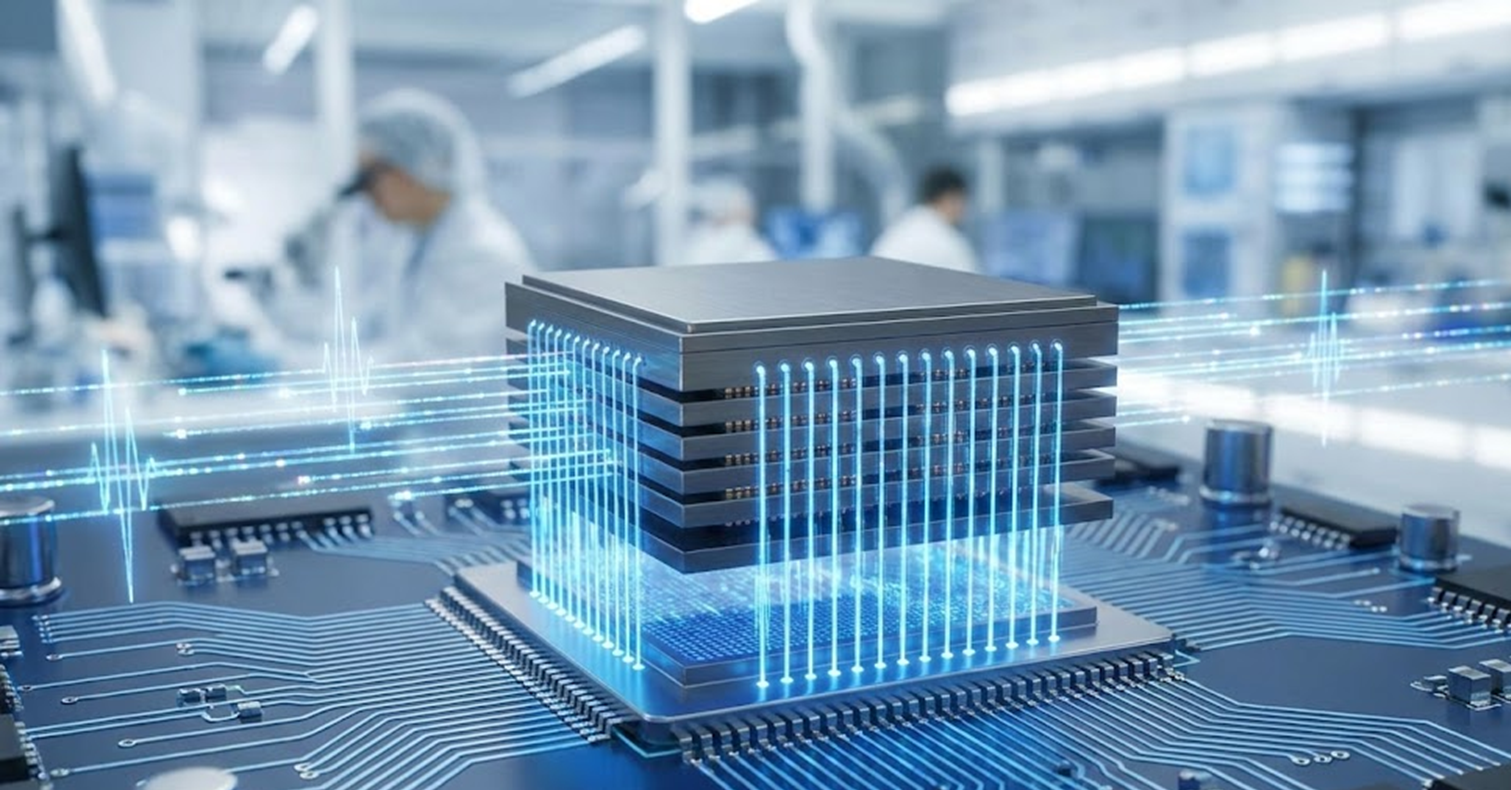
Netlist's HBM lawsuit is a case study where the three factors above are condensed into a single scene:
- HBM has become the hottest core technology due to the AI/HPC boom.
- Core technologies have high patent density, increasing the probability of snagging on someone's patent.
- The Litigation Forum is in a region (E.D. Texas) known for applying strong pressure.
- Samsung is a key supplier in this market, meaning the expected settlement value is high.
Looking at this structure, the lawsuit operates almost as an inevitability rather than a coincidence.
4. Can We Lower the Expected Value of Defense Costs Instead of Case Counts?
For large corporations, patent disputes are no longer just legal issues; they are management risks (Cost, Supply Chain, Launch Schedule, External Credibility). Therefore, the goal is not to eliminate lawsuits, but to achieve the following pragmatic objectives:
- (A) Even if a lawsuit is filed, can we end the game early?
- (B) Have we internalized ITC/Supply Chain risks into business decision-making?
- (C) Do we possess means to offset the asymmetry of NPEs (who cannot be countersued)?
Total avoidance of lawsuits is difficult. However, the cost structure of litigation can be designed.
5. Five Realistic Prescriptions for Korean Corporate IP Teams
Here is a summary at a level that can be immediately connected to KPIs in the field:
① For Launches, Standards, and Core Parts: The License Calendar Comes Before Technical ReviewIn standards, communications, memory, and displays, license expiration/renewal creates as many disputes as infringement itself.
You must elevate the expiration calendar to a management system level, shared with Business Units, Purchasing, and Finance.
② NPE Response is an Operating Process, Not a Legal EventYou need to standardize a playbook that covers the entire flow: Receipt of Claim Chart → Initial Technical Rebuttal → Triggering Invalidation (PTAB/IPR) → Forum Strategy (including preemptive Declaratory Judgments).
③ The IP Team Cannot Solve ITC Risks Alone: Attach Supply Chain & DesignThe essence of the ITC is an import ban. Therefore, the response must be designed not by the patent team alone, but strictly in conjunction with SCM + Quality + Production + Business Units (for alternative designs/emergency procurement).
④ Discovery IS Cost: Pre-establish Evidence Systems for Documents, Code, and Design OutputUS litigation costs explode during data response (Discovery). Ultimately, the stamina to endure determines the winner before the verdict is even reached.
⑤ Seriously Consider Collective Defense OptionsSince NPEs are weak against countersuits, the defense side must offset this asymmetry through Joint Invalidation / Information Sharing / Defense Networks. Fighting alone makes you an easy target for the next campaign.
Closing Remarks
If we were to summarize in one sentence why Samsung Electronics is the most sued company in the world, it is this:
"Samsung is not sued because it infringes more, but because it is the company selling the highest-value products on the widest technological battlefield, specifically in the United States."
Therefore, the solution to this problem is not "let's file more patents" or "let's fight harder in court."It is to build a structure that lowers the expected value of defense costs. In other words, it is time to elevate IP from a legal matter to a Business Management System.
Pine IP Firm