
How should you prepare for drone patents?
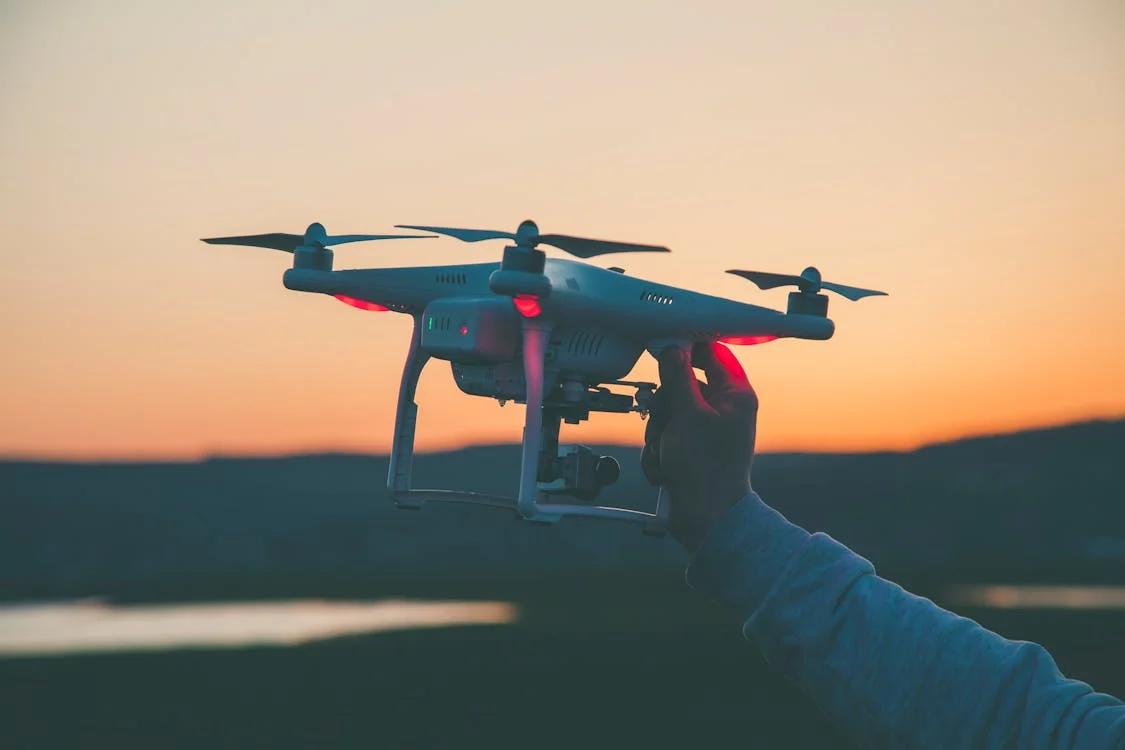
As drone technology rapidly expands into various fields such as logistics, filming, agriculture, surveillance, and disaster relief, competition to secure core technologies is also intensifying. In this competitive environment, the most reliable way to develop innovative drone technology and protect its rights is through 'patents.' However, since drone technology is a complex integrating various technologies such as mechanics, electronics, communications, and software, the patent preparation process also requires a strategic approach.
So, how should you prepare for drone patents? Let's look at the key preparation steps and considerations.
1. What will you protect? Clarifying the core of the invention
First of all, Clearly define which parts of the drone technology you have developed are protected by patentsIt must be done. Drone technology is extremely broad.
- Hardware:
- Unique frame structure, folding/transforming mechanism
- High-efficiency/low-noise propeller and motor design
- Improvements or new application methods of specialized sensors (cameras, lidar, ultrasound, etc.)
- Battery efficiency enhancement technology, wireless charging system
- Payload mounting and operation techniques for specific missions (gimbals, spreaders, rescue equipment, etc.)
- Special design of the landing gear
- Software/Algorithm:
- Flight control stability enhancement algorithm
- Precision autonomous driving, route planning, collision avoidance technology
- Object recognition and tracking technologies (deep learning-based, etc.)
- Real-time data processing and analysis (mapping, video analysis, etc.)
- Drone Swarm Control and Communication Technology
- Enhanced communication protocols and hacking prevention technologies
- System and Operation:
- New interfaces/features of the Ground Control System (GCS)
- Drone and ground infrastructure (charging stations, data hubs, etc.) integration system
- Drone operation solutions specialized for specific industries (e.g., precision agriculture, facility inspection)
It is important not just to define the 'drone' itself as an item, but to specifically define what makes it newer (novelty), more technologically advanced (inventive), and more industrially usable (industrial usability) compared to existing technology.
2. How far has competitive technology come? Thorough prior art research
To make sure the technology I developed is truly new Thorough research of domestic and international patents, papers, and publicly available technical documentsIt must be done.
- Patent search: Utilizing major patent office databases such as KIPRIS (Korea), USPTO (USA), EPO (Europe), and WIPO (international)
- Searching for papers/technical materials: Refer to academic databases, technology trend reports, and related company websites.
- Differentiator analysis: Analyze and organize clear differences and technical advantages by comparing the previously searched prior technologies with your own. This will serve as key material for future patent specification preparation and examination responses.
3. How is it implemented? Detailed description and drawing preparation:
It is a process of explaining ideas in concrete techniques and presenting them visually.
- Detailed Description: Describe the background of the invention, the problem to be solved, the technical configuration, how it works, and the effects—in detail enough for third parties to clearly understand and reproduce it. It is advisable to broaden the scope of rights by including various examples of implementation.
- Drawing: Clearly prepare drawings to aid understanding the invention, such as the overall configuration of the drone, detailed diagrams of key components, system operation flowcharts (flowcharts), and control logic diagrams.
4. Who will you be with? Collaboration with Patent Attorneys
Drone technology integrates various technical fields, and patent law also requires specialized knowledge. Consulting and collaborating with patent attorneys who have a deep understanding and extensive knowledge of the relevant technical fields (mechanical, electronic, software, etc.) is essential.
- Technical Understanding and Communication: The details of the invention are accurately communicated to the patent attorney, who then establishes the optimal patent strategy from both legal and technical perspectives.
- Preparing the Specification and Claims: Strategically prepare claims that protect the core of the invention while making avoidance design difficult, and complete the supporting specifications.
- Filing and examination response: We handle the application process and effectively respond to notifications of opinions that arise during examination to increase the likelihood of registration.
5. What You Must Not Overlook: Characteristics of Convergence Technology and Rapid Technological Changes
- Convergence: The organic combination of hardware and software, and the interactions between each technical element, must be clearly explained to effectively represent the overall structure of the invention.
- Pace of technological change: Since drone technology advances very rapidly, once your idea is concrete and the technology development is somewhat complete, it is advantageous to file as soon as possible to secure the rights.
Conclusion
Preparing for a drone patent is more than just recording ideas, A systematic process that defines the core of the technology, demonstrates its differentiation from prior art, and explains it clearly and in detail.That's it. Through thorough preparation and collaboration with experts, we hope you protect your innovative drone technology with strong intellectual property and secure an edge in the future of competition in the sky.