
How to build a patent portfolio that enhances corporate value?
Today, a company's competitiveness starts with intellectual property (IP) based on technological prowess. In particular, patent portfolios (IP portfolios) are emerging as key indicators for measuring a company's growth and value. So, "What is a patent portfolio, and how should it be built?" Let's take a closer look at this question.
What is a patent portfolio?
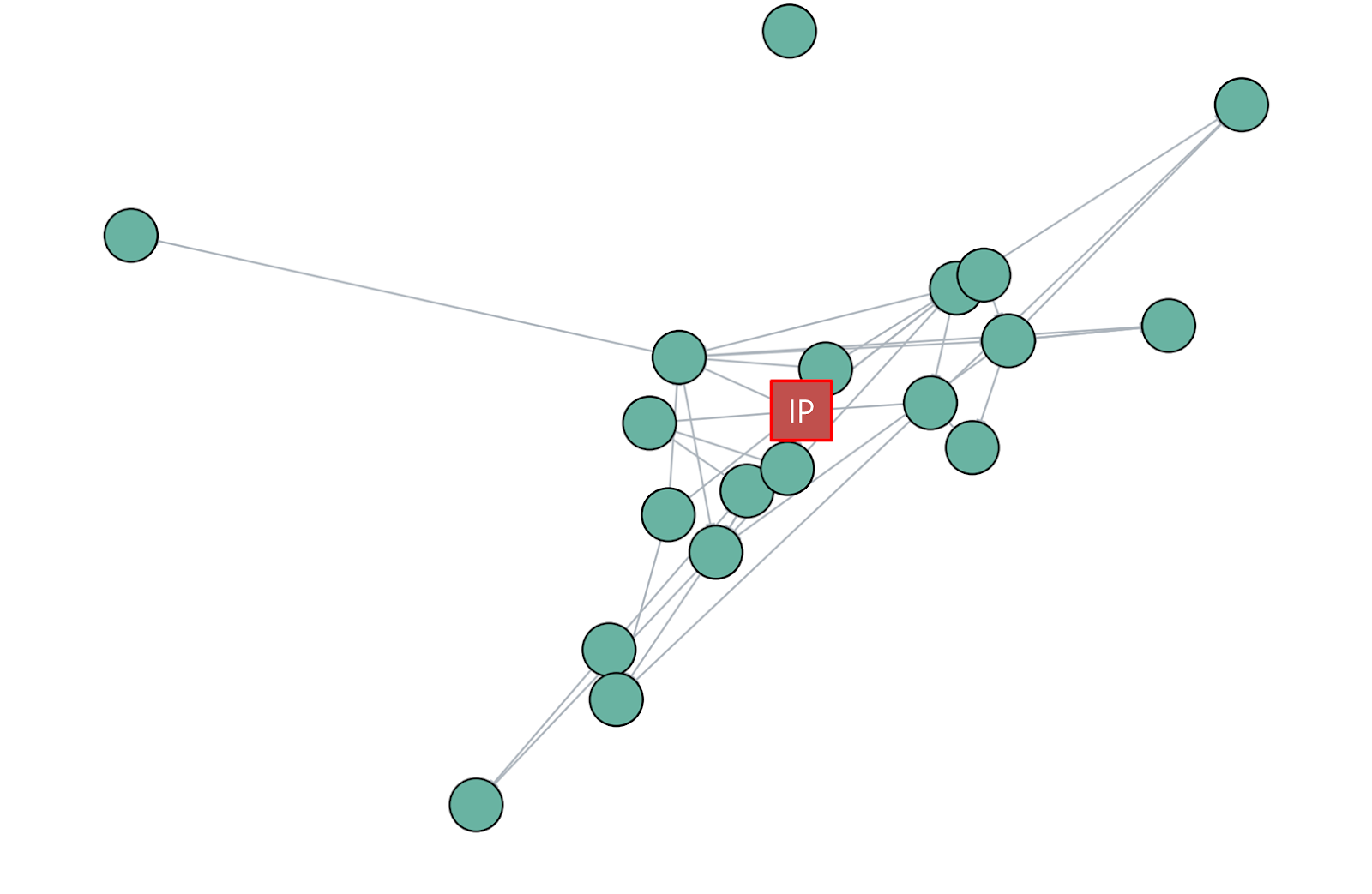
Patent PortfolioA Patent Portfolio refers to the strategic management of multiple patents held by a company. In other words, it is a method of intellectual property management that combines 'essential patents' by considering a company's core technologies, products, services, and market position, enabling technological differentiation from competitors, strengthening market dominance, and attracting investment. It is important not to focus solely on the quantitative aspect of "holding many patents," but to optimize your portfolio based on whether it aligns with your actual business strategy and helps generate profits for the company.
Correlation Between Corporate Value and Patent Portfolio
- Attracting investment and enhancing corporate image
Investors like venture capital firms are targeting startups and small businesses. Patent acquisition strategyWe take a close look. If a patent portfolio is well-organized, a company's technological prowess can be recognized and leave a positive impression on investors. - Technological competitiveness and expanded market share
A robust patent portfolio makes it difficult for competitors to adopt similar technologies recklessly, strengthening a company's market advantage. This leads to increased sales and increased corporate value. - Dispute Prevention and Litigation Risk Mitigation
Patent litigation requires enormous costs and time. In advance Building an IP PortfolioBy minimizing potential dispute elements, litigation risks and costs can be reduced.
Patent portfolio building strategy
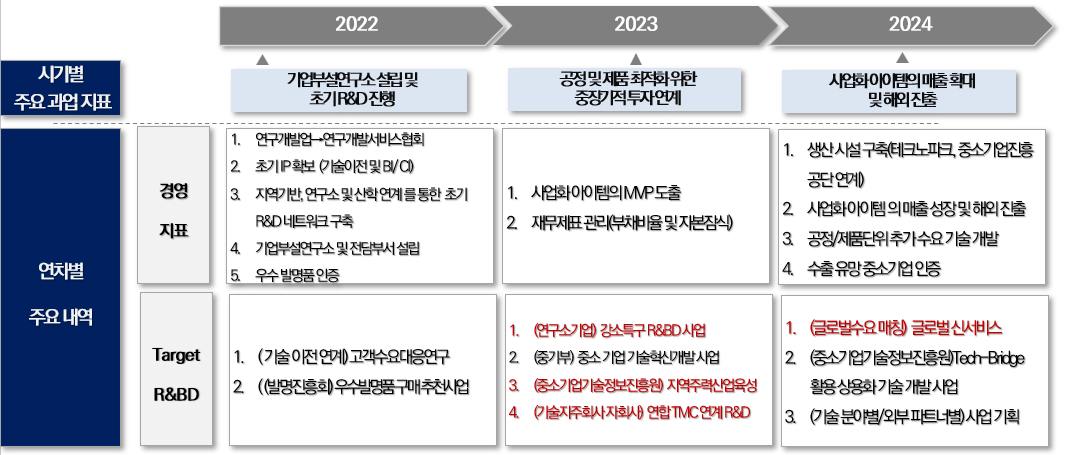
(1) Establishing a company's technology roadmap
First, companies need to analyze the technologies they possess and those planned for future development. Understand market trends and observe competitors' movements Corporate Technology RoadmapDrawing Building a patent portfoliois the starting point.
(2) Balancing core patents and surrounding patents
- Core Patents: A patent essential for a company to secure a competitive advantage that differentiates itself in the market
- Surrounding Patents: A patent that supports core patents or expands the technology domain
Strategic completeness should be enhanced through organic placement between the two. For example, if surrounding patents around key patents reinforce the technology scope from multiple directions, it becomes easier to defend against competitors' 'bypass designs.'
(3) Analysis of competitors' patent trends
successful Patent StrategyTo achieve this, it is necessary to continuously monitor what patents competitors or market leaders are holding. This allows you to anticipate potential patent conflicts, prepare for disputes, or explore collaboration and licensing opportunities.
(4) Optimization of the Scope of Patent Rights
When preparing a patent specification, don't just describe the technical features; it is also important to prevent competitors from easily circumventing the technical features. Specification and ClaimsIt must be written meticulously. If the scope of rights is too narrow, the defense is weakened; if too broad, the risk of invalidation increases. Securing an appropriate level of scope of rights is key.
Patent acquisition strategy and utilization plan
(1) Selective Patent Securing
Instead of filing patents for every technology, Marketability and Technological ImpactIt is efficient to obtain patents starting from this large field. By prioritizing and focusing corporate resources intensively, you can secure meaningful patent rights.
(2) Considering Global Patent Applications
If you plan to expand not only the domestic market but also overseas, PCT (Patent Cooperation Treaty) Application Alternatively, individual applications by major country must be reviewed. Securing a global patent portfolio gives you a greater competitive edge when expanding your overseas business.
(3) Strategic Licensing and Transfer
A well-built patent portfolio does not end with mere defense. licensing(Granting technology licenses) or Patent assignment and more, you can generate additional royalty income. At this time, the dictionary regarding licensing Patent utilization planHaving this in place can be advantageous in contract negotiations.
(4) Patent Portfolio Example
For example, suppose Company A develops image processing software based on artificial intelligence technology.
- Core patent: An original model of the image recognition algorithm itself
- Related patents: pre-processing and post-processing technologies, cloud integration technologies, user interface (UI) patents, etc.
By organically weaving together core patents and surrounding patents in this way to maximize technical strengths, it becomes difficult for other companies to easily imitate similar products.
Points to watch out for when building an IP portfolio
- Avoid indiscriminate applications: Simply increasing the number of applications raises maintenance costs and management burdens.
- Fund and Personnel Operation Plan: Patent costs are pre-evaluated by considering various factors such as application, registration, maintenance, and overseas expansion Budget planningIt must be established.
- Establishing internal corporate processes: From the research and development (R&D) stage, the patent review process should be internalized to create an environment where results can be promptly translated into patents.
Tailored Patent Strategies Proposed by Pine IP Firm

Pine IP Firmcomprehensively analyzes a company's business model, R&D direction, and market competition landscape, Strategies for Building a Customized Patent PortfolioProvides it.
- Technology and Market Diagnosis
We deeply analyze the technologies and target markets a company currently possesses to set priorities for which areas it needs to secure patent competitiveness. - Patent Roadmap Design
We decide when to obtain patents and which country to use according to the company's short-term and mid-to-long-term plans. By integrating patent processes into R&D planning, we establish protection strategies from the technology development stage. - Specification Preparation and Application Management
Specifications are the core weapon of a patent portfolio. To ensure a broad scope and minimal risk of invalidation, professional patent attorneys design and meticulously draft claims. - Post-management and utilization plans
Even after registration, we continuously manage patent rights through maintenance and reinforcement strategies, licensing negotiations, and responses to trials and litigation. This enables the company to maximize its value.
Conclusion
Patent portfolio examplesLooking at it, most successful companies are leading the market based on robust patent portfolios. Ultimately, this shows that patents are not just legal rights but a key asset that determines a company's future value.
If a company wants to expand its scale and enter the global market in the future, Building a patent portfoliois not optional, but essential. Pine IP FirmBased on systematic patent strategy consulting and expertise, we are responsible for enhancing our clients' corporate value and competitiveness.