
The importance of securing blockchain patents
Blockchain, which has become a core pillar of the Fourth Industrial Revolution, is rapidly transforming various industries due to its outstanding technical features that enable distributed storage, integrity, and transparency of information. In particular, as blockchain is being fully adopted in finance, logistics, healthcare, and public services, competition over intellectual property rights surrounding it is intensifying. By securing core blockchain technologies through patents, companies strive to maximize their market advantage, keep competitors in check, or generate licensing revenue.
However, since blockchain is primarily a software-based technology, it carries a high risk of being classified as an 'abstract idea' under patent law, and to overcome this, it is necessary to fully demonstrate the technical implementation and benefits from the patent specification stage. In this column, we aim to take a deeper look at the background and significance of blockchain technology patenting, the patent requirements and precautions for drafting, as well as industry-specific strategies and future prospects.
The Importance of Blockchain Technology and Patents
Blockchain as Technology
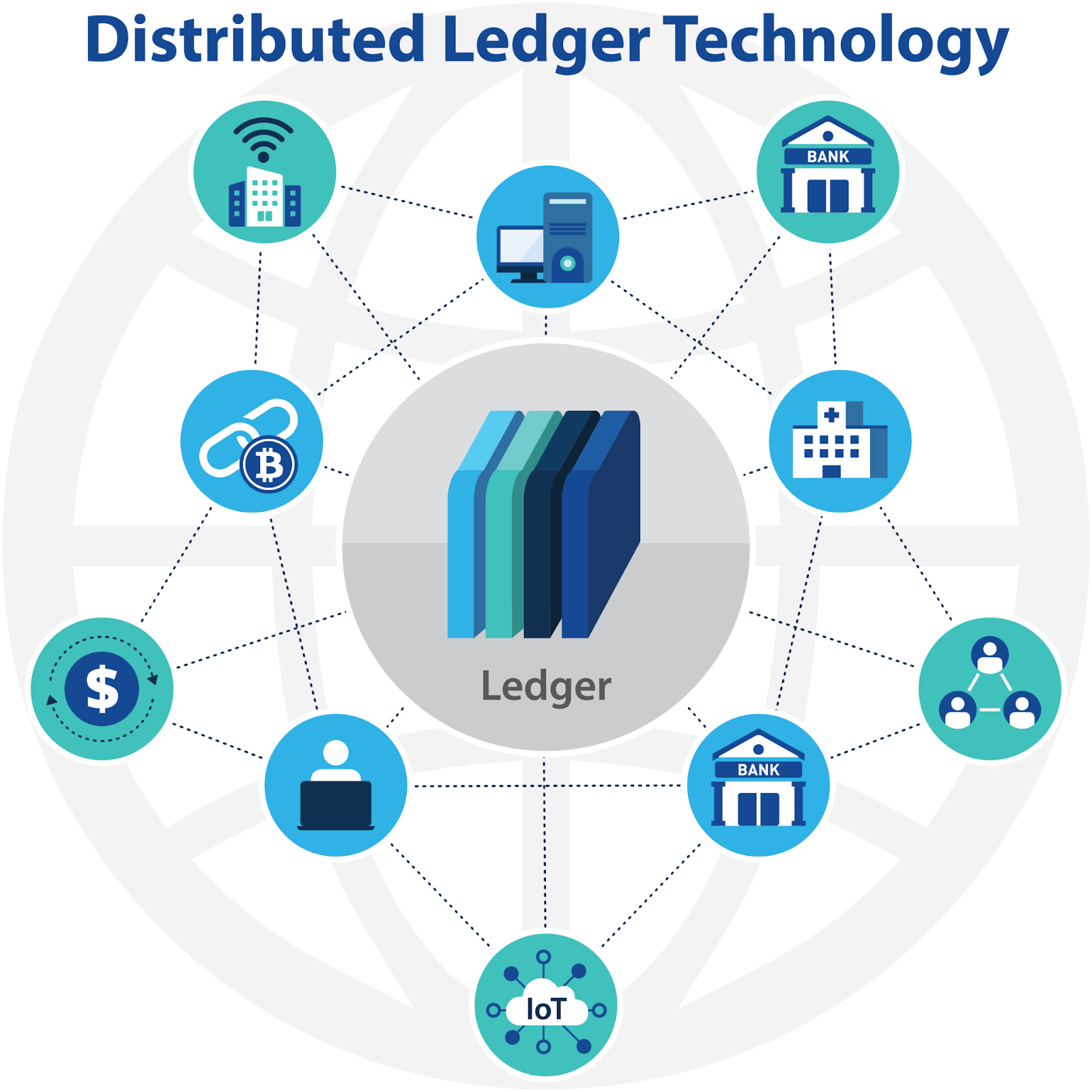
Blockchain is based on the core concept of a 'distributed ledger,' allowing all participants to store and manage the same information in a distributed manner, unlike traditional centralized structures. Each node participates in validation and maintains data integrity and reliability through consensus algorithms (Proof of Work, Proof of Stake, etc.). This decentralized feature is globally recognized for its virtually impossible data tampering and ensuring both transparency and security.
The Strategic Value of Patent Acquisition
As blockchain technology becomes commercialized and has ripple effects across industries, leading companies are focusing on securing patents for both core and applied technologies to maintain a competitive edge. Securing patents can provide the following benefits:
- Building market entry barriers: Based on patents, you can control competitors' indiscriminate technology adoption and use.
- License Monetization: Provides licensing to companies that want to develop services using blockchain technology and earn revenue.
- Maximizing the value of technology: Strengthen the company's intellectual property portfolio to ensure high corporate value when attracting investment.
Blockchain Patent Application Requirements and Precautions
patentability
To obtain a patent, novelty, progressiveness, Industrial AvailabilityThese basic requirements must be met. Even for blockchain-based systems, it is difficult to secure patents based solely on abstract ideas like "technology capable of distributed processing" or "using cryptographic techniques." Specific factors like the following positively influence patentability.
- Originality in Solving Technical Problems: If a custom consensus algorithm or improved data structure (e.g., transaction processing) is implemented to solve problems in a specific industry area, the likelihood of a patent being recognized increases accordingly.
- Hardware integration: Blockchain technology should be emphasized not just as a software idea, but as a way to solve specific hardware operations or problems arising in network environments.
- Process Improvement Effects: You must demonstrate dramatic improvements in efficiency, security, and scalability compared to traditional centralized models.
Points to note when preparing a statement
When filing a blockchain patent, you should pay attention to the following points when preparing the specification.
- Specificity of System Configuration
It describes the overall system architecture as specifically as possible, including the roles of nodes (validation nodes, full nodes, light nodes, etc.), data block generation and verification procedures, consensus algorithm processes, and encryption module configuration. - Process flowchart and examples provided
Simply explaining "using blockchain" is not enough. You need to explain in detail the steps and procedures through which the technology works, and where technical differentiators arise, using flowcharts or examples. - Emphasis on technological effectiveness and industrial applicability
You need to describe the specific effects that can be achieved by applying blockchain. For example, statements like "dramatically reducing processing times in financial transactions to reduce fees" or "eliminating the possibility of counterfeiting and tampering in supply chain management to increase transparency" are needed to persuade patent examiners.
Overcoming Software Invention Limitations
Especially in overseas countries such as the US and Europe, software-related inventions are classified as 'abstract ideas,' which carries the risk of patent rejection. To overcome this, it is essential to emphasize 'computing processes and methodologies that solve the specific technical problems subject to patents.' For example, it provides a detailed explanation of how blockchain algorithms address bottlenecks, latency issues, and security vulnerabilities that legacy systems have not resolved, and what advantages they offer in terms of hardware resource management.
Industry-specific application cases and specific patent strategies
Financial industry
In the financial sector, blockchain-based remittances, payments, fund transfers, and transparent fund tracking are actively being adopted. Notably, patent applications in digital assets such as central bank digital currencies (CBDCs) and stablecoins are steadily increasing.
- Patent Strategy: It is necessary to first patent core technologies such as secure execution environments for smart contracts, transaction processing optimization in payment systems, and digital asset management algorithms to secure a competitive advantage.
Logistics and Supply Chain Management (SCM)
Throughout the entire supply chain, forgery and tampering are difficult, and utilizing distributed ledgers that enable real-time tracking enables logistics innovation. For example, a blockchain-based tracking system allows precise identification of raw material sources, production processes, inventory status, and transportation routes.
- Patent Strategy: By patenting comprehensive processes such as product labeling, logistics tracking data processing, and automatic authentication and verification through IoT sensor integration, a stronger barrier to market entry can be established.
Healthcare and Medical Care
In healthcare, the entire process—including patient records, sharing medical data, and drug distribution management—can be securely managed using blockchain. Because medical information is highly sensitive, protecting integrity and privacy is extremely important.
- Patent Strategy: Securing patents for medical information management systems applying DID (Decentralized Identifier), patient information access control technologies, AI-based medical data analysis algorithms, and blockchain integration methods are key.
Public Service Sector
Governments and public institutions are also increasingly attempting to apply blockchain to real estate registration, resident registration, voting systems, and tax collection to enhance transparency. Since the public service sector is likely to undergo rapid standardization in the future, securing the original technology patents related to this is extremely important.
Future prospects for blockchain patents

Technology Standardization and Standard Patents (SEP)
As blockchain protocols become widely adopted, the likelihood of international standardization is increasing. If an industry-agreed protocol, data structure, or consensus algorithm is adopted as an official standard, the patent that secures it can be recognized as a Standard Essential Patent (SEP). Holding an SEP allows you to generate substantial revenue through global technology licenses or gain a competitive edge in technology negotiations.
Spread of various hybrid models
Many new architectures are emerging, including hybrid models that combine public and private blockchains, and combinations of off-chain and on-chain solutions. If you actively secure patents for such convergence technologies, you can respond flexibly to future market changes and reduce technological risks.
Intensified competition and potential for disputes
As blockchain patent applications continue to rise, patent disputes in the technology sector are also expected to become more frequent. Disputes are likely to spread in various forms, such as lawsuits between large IT companies, licensing disputes between startups and established industry players, and international litigation. Therefore, companies should build a solid patent portfolio in advance and prepare response strategies in case of disputes.
Conclusion
Blockchain technology has deeply permeated all industries, including finance, logistics, healthcare, and public services, presenting a new paradigm by decentralizing traditional processes and enhancing transparency. Companies and institutions should not simply watch these changes but actively develop and adopt blockchain technology and secure market leadership by protecting it with patents.
However, blockchain must surpass the limits of software invention under patent law, and fierce competition is already underway worldwide. Therefore, a thorough strategy is required, from preparing the specification to filing, handling examinations, and handling disputes. Blockchain technology has emerged as an essential foundational technology across industries beyond just a trend. If you are considering a new business model or already developing blockchain technology, establishing an 'intellectual property strategy' is more important than ever. Pine IP FirmPatent attorneys with extensive experience and expertise in the core technologies of the Fourth Industrial Revolution propose customized patent strategies for each client. Our team consists of a diverse range of experts, including patent attorneys and IT majors well-versed in blockchain and cryptography technologies, providing one-stop services from domestic and international patent applications to rights acquisition and patent dispute resolution.