
How to utilize patent information
Patent information Establishing a technology strategyand Strengthening competitivenessis an essential resource. The technical and legal content contained in patent documents plays a crucial role in driving new research and development or analyzing market trends. Today, let's explore how to effectively utilize patent information by utilizing Google Patents.
Components of Patent Information via Google Patent Search
The following patent information is accessible through Google Patent Search.
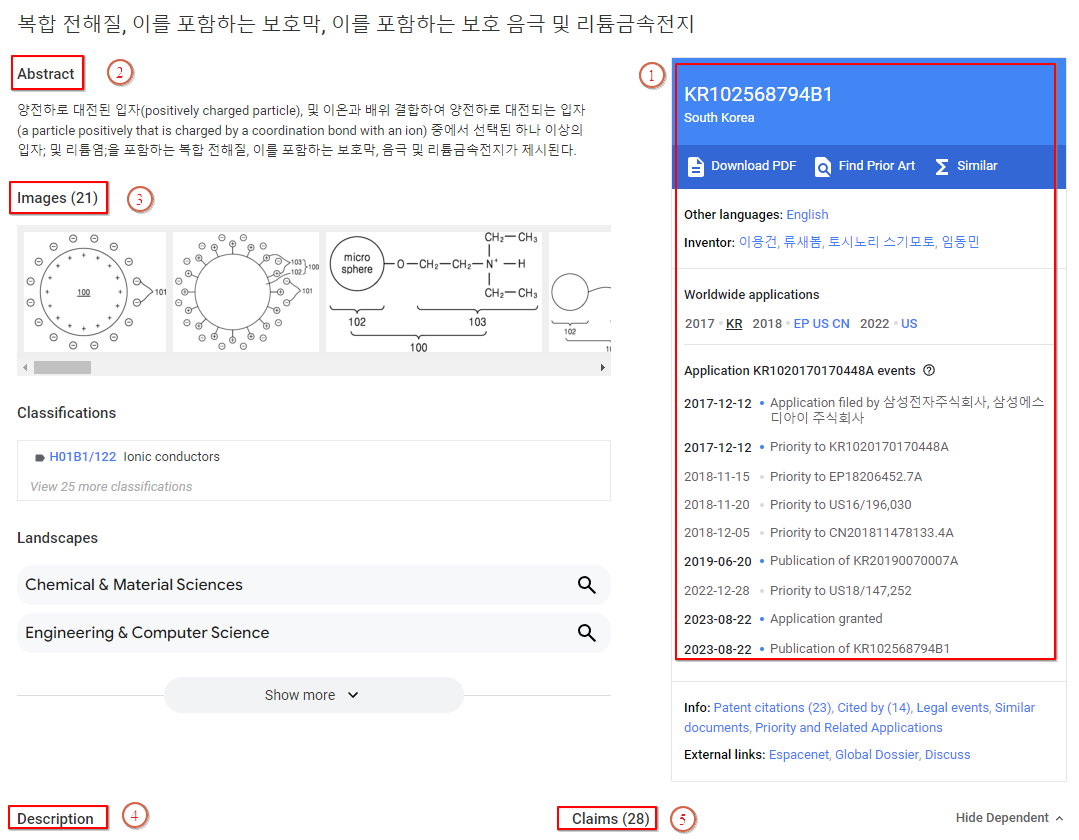
- 1. Bibliographic Information: Contains basic information about the patent, including application number, filing date, applicant, inventor, and patent status. This information allows you to identify the basics related to the applicant for a patent and is useful for analyzing technology development trends and competitors.
- 2. Summary: A brief explanation of the core of the invention, allowing you to quickly grasp the main points of the patent. In Google Patent Search, this summary makes it easy to compare related patents and identify the differentiation of technologies.
- 3. Drawings: A drawing that visually explains the structure and operation of an invention. This allows you to understand how the technology is implemented and its originality.
- 4. Detailed Description: This section includes the technical details and implementation methods of the invention, allowing for a complete understanding of the technology and an evaluation of its practical applicability.
- 5. Scope of Claims: The scope of protection claimed by the inventor, a key element in defining the scope of patent rights. By analyzing this aspect through Google patent searches, you can proactively review potential conflicts with competing technologies.
How to utilize patent information
Patent information can be used in various ways to help companies develop their strategies.
- 1. Prior Art Research: Keywords, IPC (International Patent Classification), F-Term (Japanese patent technology classification code) By investigating prior art using such tools, it is possible to evaluate how a particular invention differentiates itself from existing technologies.
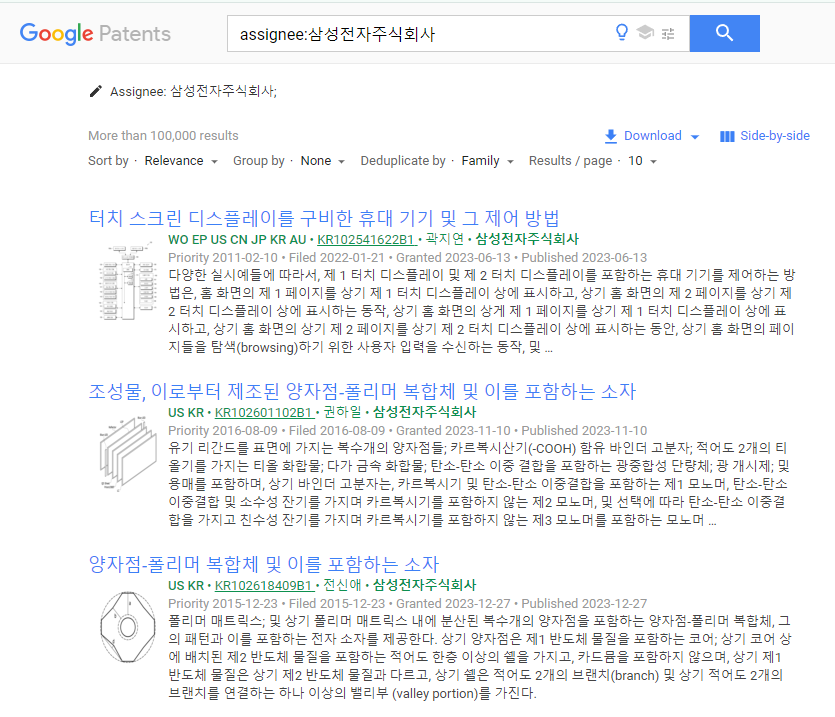
- 2. Competitor Analysis and Market Forecast: Searching for competitorsThrough this, you can understand competitors' technology strategies and patent portfolios, forecast market trends, and develop strategies to respond accordingly.
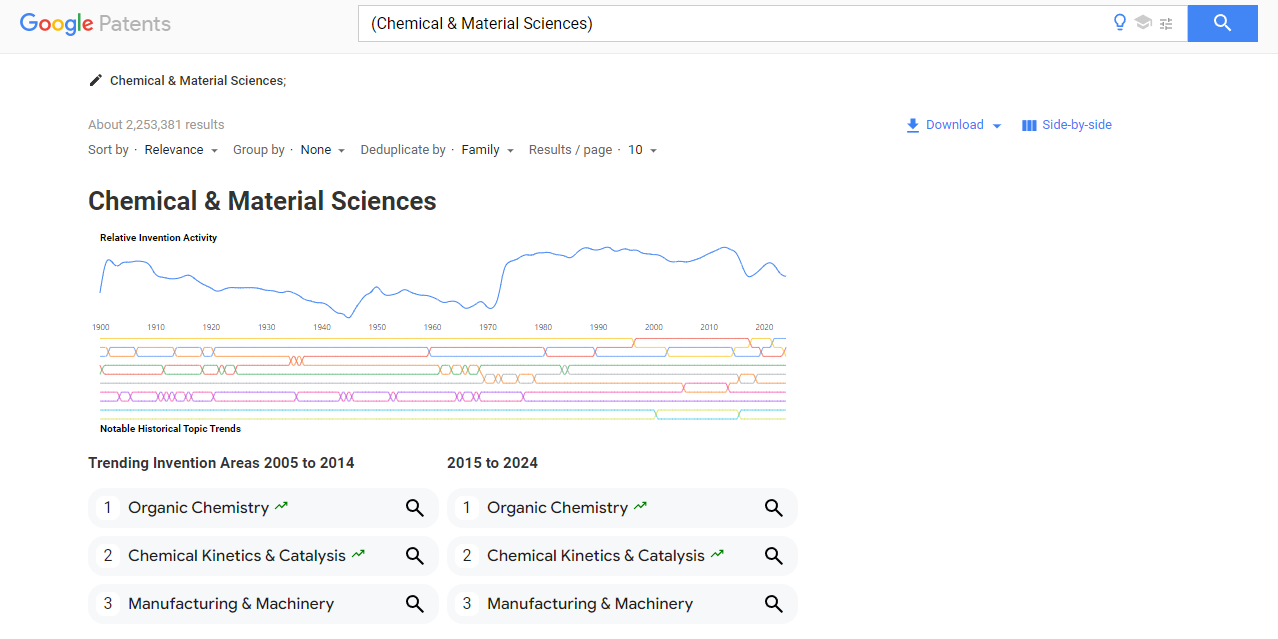
- Technology Trend Survey: You can research relevant patents to analyze the latest developments and trends in a specific technology field.
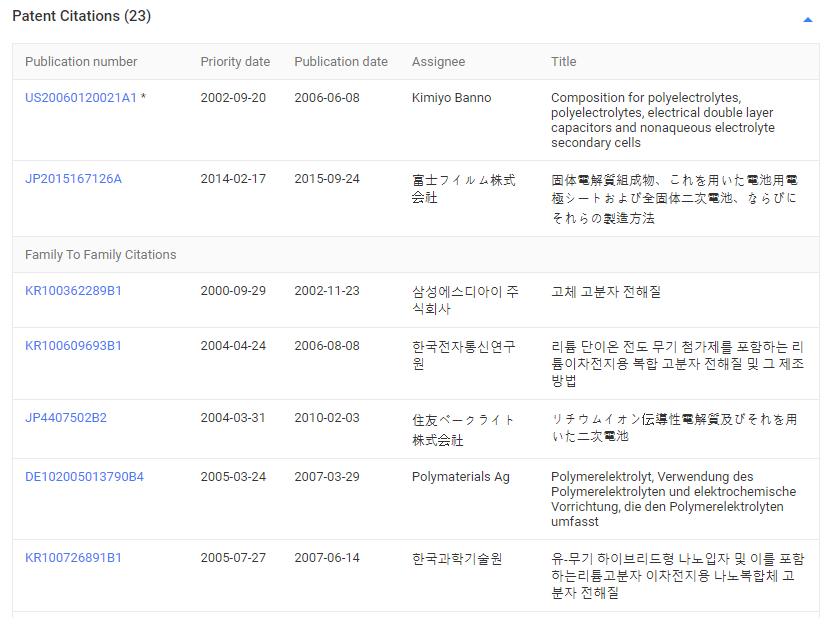
- Source Technology Analysis: By utilizing citation information, you can identify important source patents and use them as foundational data for technology development.
- Identifying Gap Technologies: Google patent search results can be used to identify gaps in existing technologies and develop new evasion techniques.
- Ownership Information: By identifying patent ownership information, it can be used for M&A or technology transfer.
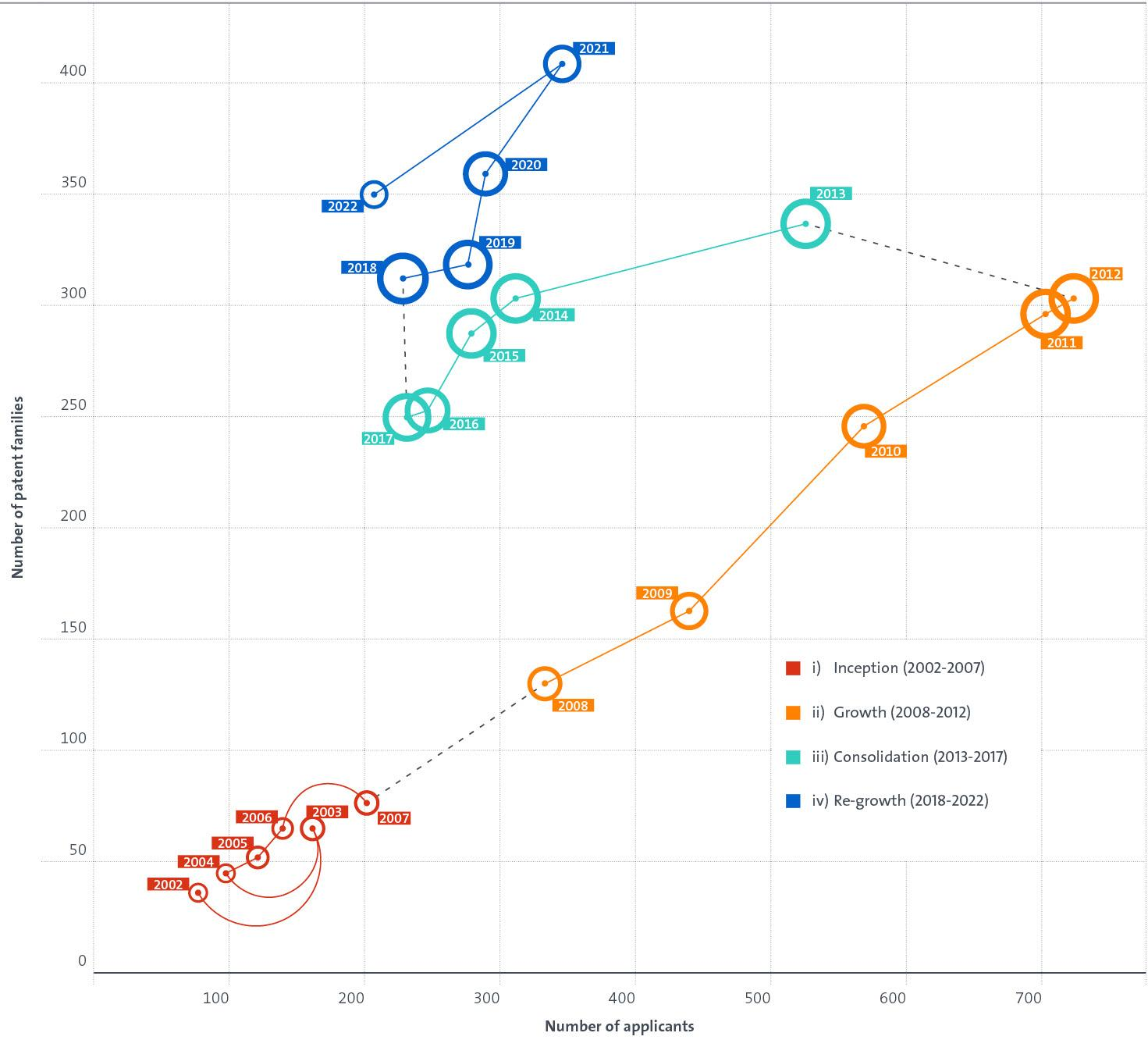
- Market Status Analysis: Through patent information, you can analyze the market lifecycle of technology (early, growth, maturity, end-stage) and establish market strategies.
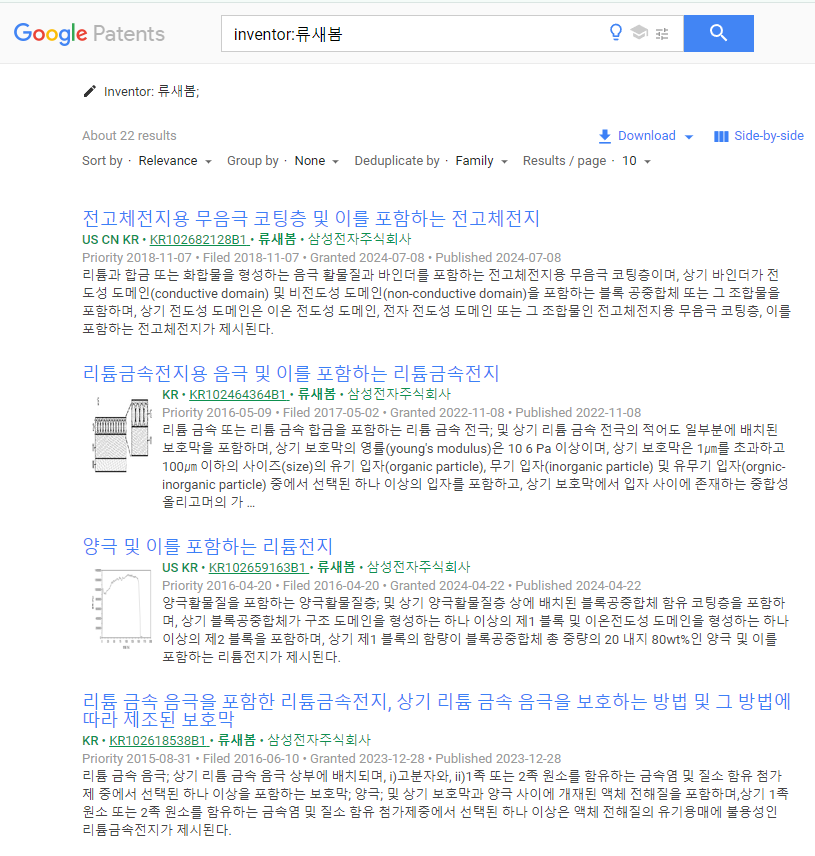
- Research Workforce Analysis: By identifying researchers actively working in specific technical fields, they can be used for recruitment or research collaboration.
Examples of Patent Information Utilization
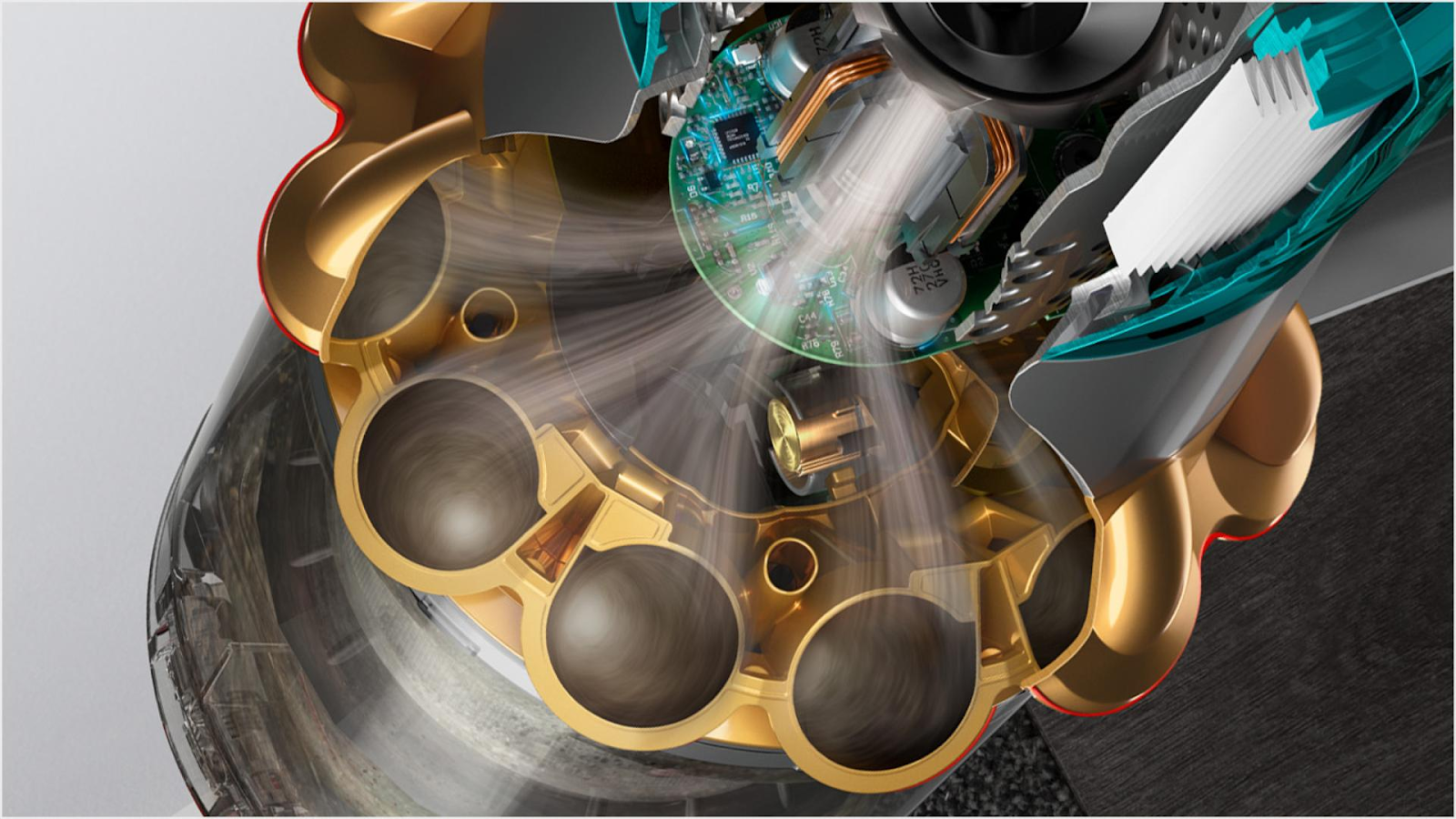
Dyson is known for leveraging patent information to analyze existing vacuum cleaner technologies. James Dyson, the founder of Dyson, analyzed existing vacuum cleaner patents to identify the problems with the filter method and developed cyclone technology to improve them. Dyson aimed to address the performance degradation issues of traditional vacuum cleaners, especially the problem of clogged dust bags and reduced suction power. Dyson has introduced cyclone separation technology to develop a method to separate dust using powerful centrifugal force. Unlike traditional filter methods, it is characterized by the absence of dust bags and continuous suction power, and based on this technology, multiple patents have been filed, allowing it to secure an exclusive market position. This patent strategy contributed to Dyson's dominance in the cyclone vacuum cleaner market and the successful commercialization of its products worldwide.
Conclusion
Patent information is an important database with technical, legal, and economic value. Companies can actively utilize patent information to understand competitors' technology development trends, establish differentiation strategies for their own technologies, and seek new business opportunities. Additionally, patent information plays a crucial role in finding partners for technical collaboration.