
Korea IP Statistics 2025: Record Patents and AI-Trademark Strategy
Korea received 652,035 domestic IP applications in 2025, up 4.4% from the previous year. Patent applications rose 5.9% to 260,797, the highest level since the statistics began in 1976. Trademark applications increased 3.6% to 327,669, while design applications rose 1.6% to 60,935.
The direction is clear: businesses continued to secure technology and brand rights despite economic uncertainty. Filing volume alone, however, is not a strategy. Pine IP Firm highlights the signals that companies should read in the 2025 Annual Report on Intellectual Property Statistics.
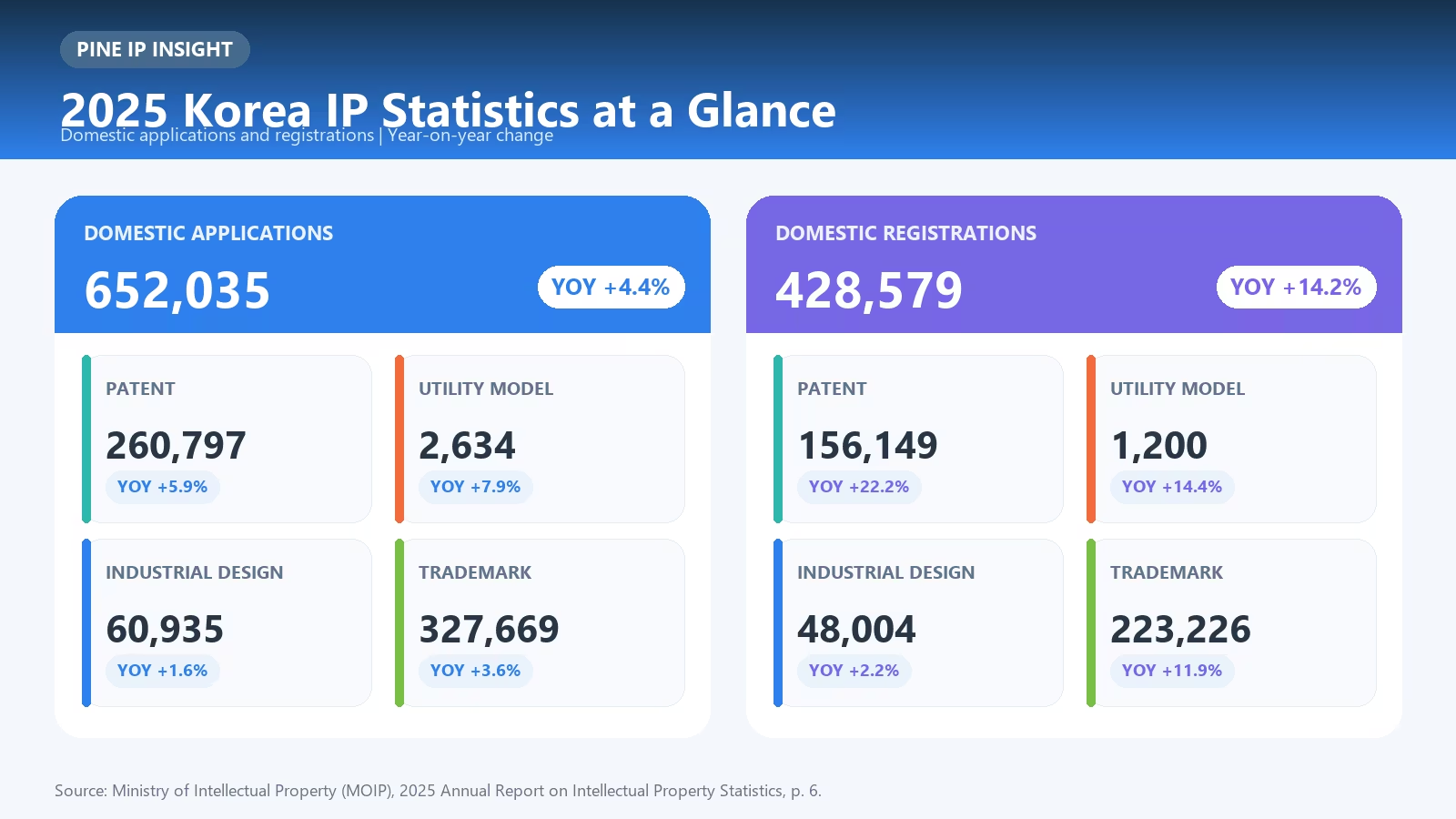
652,035 applications and 428,579 registrations
| Right | Applications | YoY | Registrations | YoY |
|---|---|---|---|---|
| Patents | 260,797 | +5.9% | 156,149 | +22.2% |
| Utility models | 2,634 | +7.9% | 1,200 | +14.4% |
| Designs | 60,935 | +1.6% | 48,004 | +2.2% |
| Trademarks | 327,669 | +3.6% | 223,226 | +11.9% |
Total registrations increased 14.2% to 428,579, with patent registrations up 22.2%. This shows that recent filing activity is moving into granted rights, but it does not mean that every patent has strong commercial scope. Claim coverage, detectability of infringement, design-around risk, and protection for follow-on products still require separate review.
AI transformation is changing the patent landscape
Under the WIPO technology classification, Korean patent filings in electrical engineering rose 11.4% and instruments rose 5.3%. At the subfield level, e-commerce increased 26.4%, computer technology 19.6%, and medical technology 10.5%, showing strong growth in AI and AI-enabled applications.
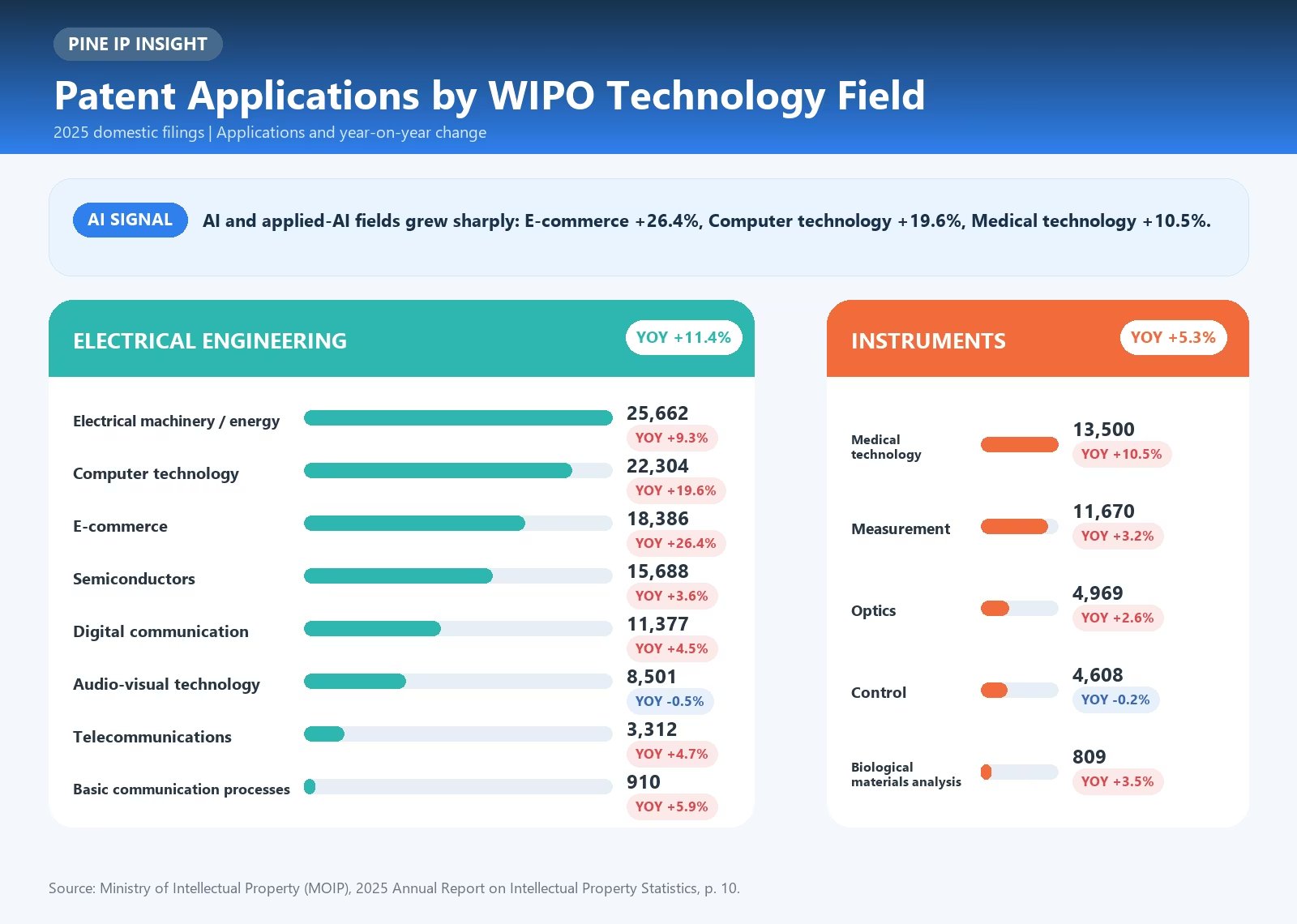
Large-company filings were concentrated in electrical machinery and energy, semiconductors, and computer technology. E-commerce was the largest share of filings by SMEs and individuals, at 13.6% and 16.1% respectively. AI patent review is therefore no longer limited to advanced manufacturers; it also reaches distribution, platforms, healthcare, and service operations.
A claim that merely says “using AI” is unlikely to create a strong right. Applicants should identify the input data, preprocessing and decision logic, the device or service state changed by the output, and measurable improvements in accuracy, speed, or resource use. Recording data flows and exception handling during development makes invention mining substantially more reliable.
Trademark data reflects software, K-beauty, and financial services
Class 35 advertising led Nice-classified trademark applications with 53,706 filings. Class 9 computer software rose 8.5% to 24,774, and Class 3 cosmetics rose 18.8% to 22,444. Among mid-sized companies, Class 36 insurance and financial services increased 54.3%, while Class 42 software design and development increased 27.9%.
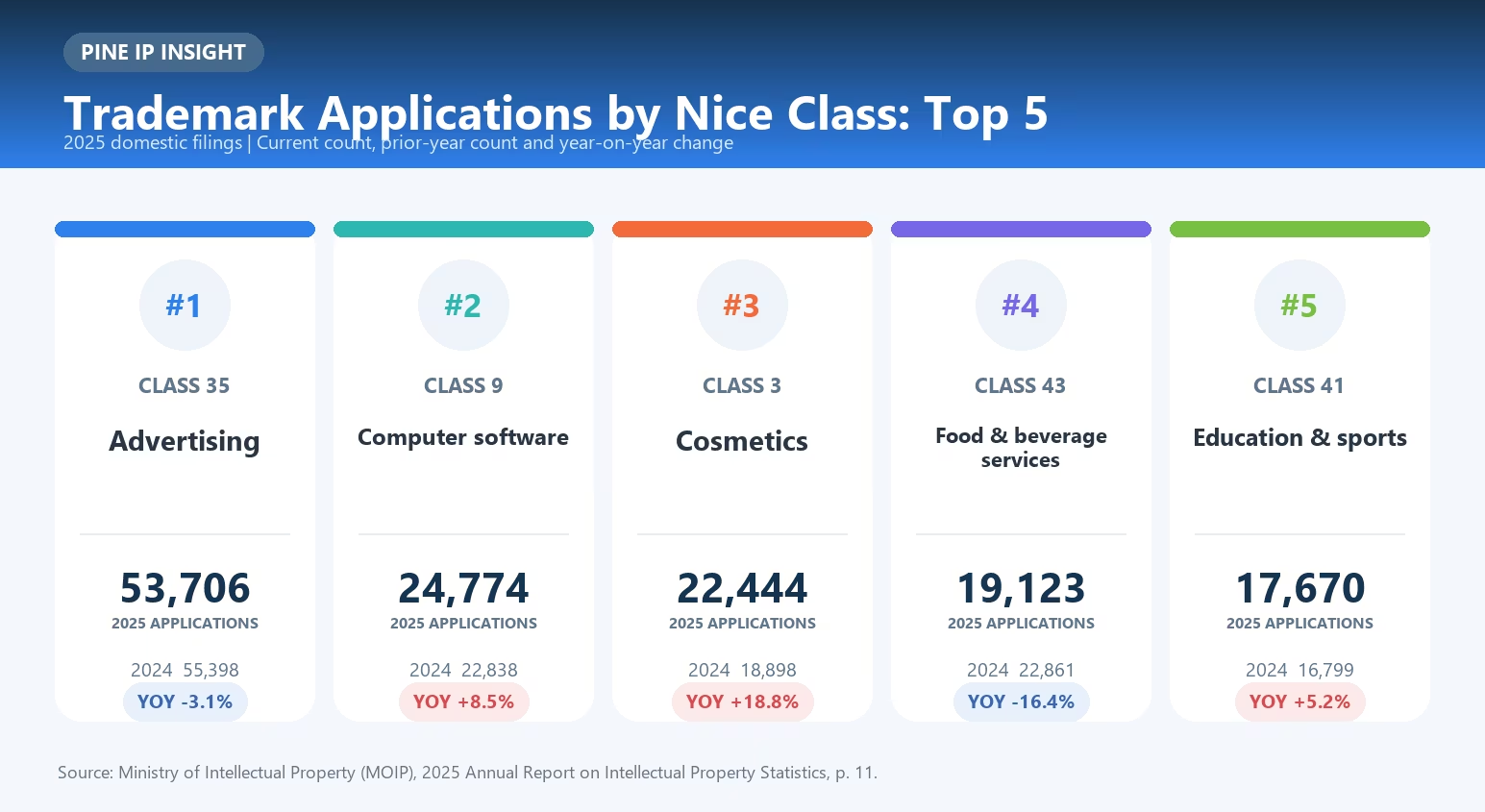
Trademark specifications should follow the actual business model. An AI service may require Class 9 for downloadable software, Class 42 for SaaS and development services, Class 35 for online retail or advertising, and sometimes Class 36 for financial services. The correct scope should be designed around the current offering, the next one-to-three-year product roadmap, and target export markets.
More filings do not automatically create a stronger portfolio
Filing volume is a useful innovation indicator, but protection depends on the quality and placement of rights. Multiple patents offer limited protection if competitors can easily design around the claims. A coordinated mix of patents, designs, and trademarks can instead protect the algorithm, interface, product appearance, and service name at different layers.
Three actions for companies
- Institutionalize AI invention mining. Hold quarterly interviews when model selection, data processing, performance improvements, and operational automation are being decided.
- Connect trademark classes to the product roadmap. Search and file before launch in fast-growing software, cosmetics, platform, and financial-service markets.
- Replace count-only KPIs with value metrics. Review market exclusivity, infringement detectability, foreign expansion, and maintenance cost alongside grant prospects.
Frequently asked questions
How many Korean patent applications were filed in 2025?
There were 260,797, up 5.9% year on year and the highest number since statistics began in 1976.
Which AI-related patent fields grew fastest?
E-commerce rose 26.4%, computer technology 19.6%, and medical technology 10.5% under the report's subfield analysis.
Where should SMEs start?
Map the technical data flow and effect before public disclosure, and review similar marks and required classes before launching a brand.
Does a high filing count mean a strong patent portfolio?
Not necessarily. Claim scope tied to the business, detectability, coverage of follow-on products, and alignment with foreign markets are more important.
Sources
- MOIP intellectual property statistics publications
- MOIP, 2025 Annual Report on Intellectual Property Statistics, July 2026, pp. 6, 10, and 11.
This article provides general information only and is not legal advice. Filing strategy depends on the technology, disclosure schedule, and target markets of each case.