
If you are a small business, do not file a PCT application; instead, file in an individual country
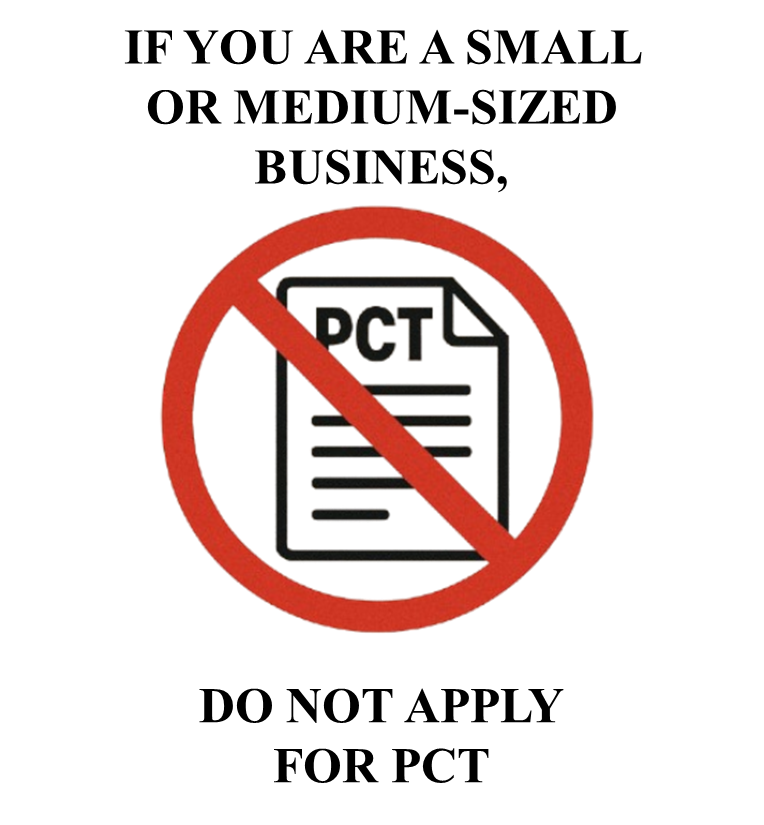
Securing patent rights overseas is a key strategy for maintaining a company's technological competitiveness and securing market leadership in the era of global competition, but the optimal strategy varies depending on the company's size and financial status. Especially for small and medium-sized enterprises and startups, the question "Is PCT a good thing?" This is a question you need to ask. Sometimes, filing directly through the Paris Convention may be a better option. In this column, we will take an in-depth look at why small and medium-sized enterprises and startups should consider filing for the Paris Treaty, along with the strategic advantages and disadvantages.
Two representative methods for overseas patent applications
There are two main methods of overseas patent filing.
- PCT (International Patent Application Treaty)
- Direct application by individual country through the Paris Convention
Many people think of it as the formula "overseas patent = PCT," The reality of small and medium-sized enterprisesConsidering this, it's not that simple. While some companies have an advantage in PCT filings, Paris Convention applications may be more suitable or cost-effective. At Pine IP Firm, if you are a small or medium-sized enterprise, Rather than blindly trusting PCT applications, strategically applying directly through the Paris Treaty is a strategyI strongly advise you to consider it.
In particular, Important FactsThis is one of them.
A PCT application alone does not create any patent rights.That's it.
Do not misunderstand that "international patents are automatically secured with PCT alone." Through this column, I would like to share the reasons behind this, as well as several reasons why the Paris Convention may be more realistic from the perspective of small and medium-sized enterprises.
The Misconception Trap of "PCT Application = Securing Rights"
- The PCT is merely a procedure for integrating the 'international phase'
The PCT (International Patent Application Treaty) allows multiple countries to submit a single international application. Maintain priorityThis is a system that allows you to do so. Here, "priority date" refers to the concept of having multiple countries recognize the same point of securing rights based on the initial filing date.
- However, Filing a PCT application does not mean the patent is already registered in that country.
- After the PCT international phase procedure is completed, Each designated (or selected) country stageand undergo separate examinations for each country before the actual patent registration is decided.
- International level alone means 'temporary protection' status
At the international stage of the PCT, you will receive an international investigation report and an international preliminary review report, but these are only patentabilityis merely a stage of evaluation, not "confirmation of rights." Each country's patent office only refers to this, and ultimately, Registration requirements and examination policies in the countryThe determination of patentability is made accordingly. - Rights arise through individual registration by country.
After all, there is no such thing as a "global patent." Overseas patents Separate registration by countryTo proceed with this process, you must bear the required documents, translations, and agent fees for each country.
- The fact that a PCT application itself does not generate patent rightsIt is essential to keep in mind that significant costs are required even up to the point of entry into each country.
Why SMEs should consider filing for the Paris Convention instead of the PCT
- If the country you want to enter is clear, direct access to the Paris Convention is more economical.
- The PCT offers the potential to enter various countries, but accordingly, International Phase Fees and Agent FeesThis is by no means insignificant.
- Small and medium-sized enterprises find it difficult to attempt simultaneous expansion into many countries like large corporations. Clearly narrow down the target countries to about 1~3 and focus on securing IPsIf you want to do so, it is better to file directly with individual countries through the Paris Convention. Cost-effectivenessis good.
- Is the 'time grace period' that the PCT international phase can provide really necessary?
- When filing a PCT application, you can secure approximately 30~31 months (34 months in some countries) to delay entry into each country.
- However, you need to determine whether this time is truly beneficial for small businesses or if it only increases costs unnecessarily.
- If the product launch is imminent and the target countries are already decided, it is better to delay the time Prompt application and patent acquisitionmay be more important.
- Even while maintaining a PCT application, international phase fees, document response costs, and other costs continue to occur.
- If the product launch is imminent and the target countries are already decided, it is better to delay the time Prompt application and patent acquisitionmay be more important.
- The brevity and opportunity cost of the Paris Treaty
- A Paris Convention application starts from the initial (domestic) filing date Within 12 months You must file directly with your overseas country in the country.
- The procedure of preparing translations and documents for submission in each country can be somewhat cumbersome, but since you can still use the PCT anyway, Ultimately, the same tasks are done by country.You must do so.
- Small and medium-sized enterprises can apply directly only to countries where they need them through the Paris Agreement, and the remaining budget and manpower Overseas Marketing and Market Development, and can invest more in further research and development.
- Limited patent budgets for small and medium-sized enterprises
- After filing for PCT, completing entry into all countries involves significant costs.
- If we simply say, "Let's just file broadly and see if we can do it first" without a clear answer to questions like "When and in which countries will our company be doing business, and in which countries will we do it?" the financial pressure will intensify.
- Actual business prioritiesOnly select countries with high Focused rights secured through Paris Convention applicationsThis approach is more reasonable for small and medium-sized enterprises.
Revisiting why PCT applications alone do not grant rights
Many small business owners who visit Pine IP Firm often mention this.
"They say there are international patents, but if we just submit the PCT, isn't everything automatically protected?"
That's not true!
- PCT International Phaseis literally an international phase and does not grant any registration rights by itself.
- Each country enters the domestic phase → Country-by-country screening → Patent Registration DecisionOnly after going through the process of going through the process can rights be granted.
- That's why people say, "I've already filed for PCT, so I can rest easy!" and left it unattended, but missed the deadline for entering the domestic phase. Mistakes that prevent you from obtaining rightsIn fact, there are quite a few of them.
A Guide to Overseas Patent Strategies for Small and Medium Enterprises
- Clarify the selection of entry countries from the start
- You need to investigate R&D results, which market the product is best suited for, and how significant the business benefits of patent registration in that country are.
- Market size, competitor patent trends, infringement litigation environment, and other factors are comprehensively assessed to select candidates for entry into the country. Minimizing First ThingsIt is so.
- Carefully follow the practical procedures for applying for the Paris Convention
- Since you must file sequentially in the desired countries within 12 months from the domestic filing date (priority claim date), it is essential to manage the timeline thoroughly.
- You need to prepare the language, required documents, and appoint a representative by country, Ultimately, even with the PCT, appointing a country-specific representative and translation work are essential.Considering this, it is hard to say that the Paris Convention is procedurally 'more than twice as difficult.'
- Cost Allocation Planning: How Will Expansion Be Done Later?
- Initially, you can focus applications on a few countries, but as your business expands and funding is secured, Additionally, you can target other countries.
- If you try to cover countries that are currently uncertain through PCT applications, you would have to bear both international phase costs and subsequent entry costs, which would actually spread out your funds.
- A Composite Strategy Combining PCT and the Paris Convention
- Depending on the situation, Core Patentsto secure broader national entry possibilities, Subordinate patentFor markets with high priority on 'I', there is also a way to quickly secure rights through direct release under the Paris Convention.
- However, even then, it is important to note that rights are not granted solely by the PCT, and the costs of the domestic phase in each country remain considerable.
Conclusion

Small and medium-sized enterprises need to avoid the misconception that "PCT applications automatically grant foreign patent rights." The PCT is merely an international phase procedure; it does not grant rights on its own. Moreover, in terms of cost-effectiveness and business strategy Rather than considering all countries at once, only a few countries that actually need them will be applied for through Paris Convention applications to secure intensive rightsPushing forward may be a realistic choice.
Overseas patent strategies vary depending on company size, technology development direction, and budget situation. Pine IP Firm Specialized for Small and Medium Enterprises Through consultations, we will consider together, "Where and how much is truly the best investment?" Securing rights and managing aftermathWe provide systematic support up to the current level.
Please remember that "PCT applications alone do not grant rights, and you must also pursue a strategy of filing directly under the Paris Convention," and be careful not to waste unnecessary costs and time.
To ensure that the valuable resources and technologies of SMEs are properly protected and that they can safely expand into overseas markets, Pine IP Firm is always by your side.