
Mickey Mouse, has the copyright really been lifted?
Today, let's briefly look at the issue of '1928 original Mickey Mouse copyright expiration,' which has been drawing significant attention from various media outlets, from a patent attorney's perspective. Mickey Mouse is one of the most iconic characters created by Walt Disney, making a significant mark on the history of modern entertainment and animation. It has already been well over 95 years since this character first appeared, and now that the copyright for that 1928 version has expired, both experts in the field and the general public are paying great attention.
Mickey Mouse's First Appearance and the Background of Copyright Expiration
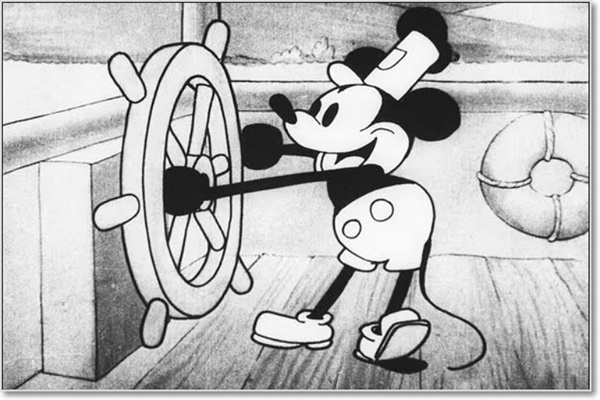
Mickey Mouse officially made his debut in 1928 in the short animated film 'Steamboat Willie.' According to U.S. copyright law, copyright is generally protected for a certain period after the creation of a work (such as 95 years after the first publication under current law). However, the U.S. Congress has extended copyright protection periods several times in the past, and the industry is known to have played a major role in this decision due to the influence of major studios including Disney.
As a result, the copyright for the Mickey Mouse original character announced in 1928 January 1, 2024 It is expected to expire and be incorporated into the public domain. When the copyright expires, anyone can freely use the original character and create derivative works.
Distinction between the '1928 Original Version' and the Latest Version
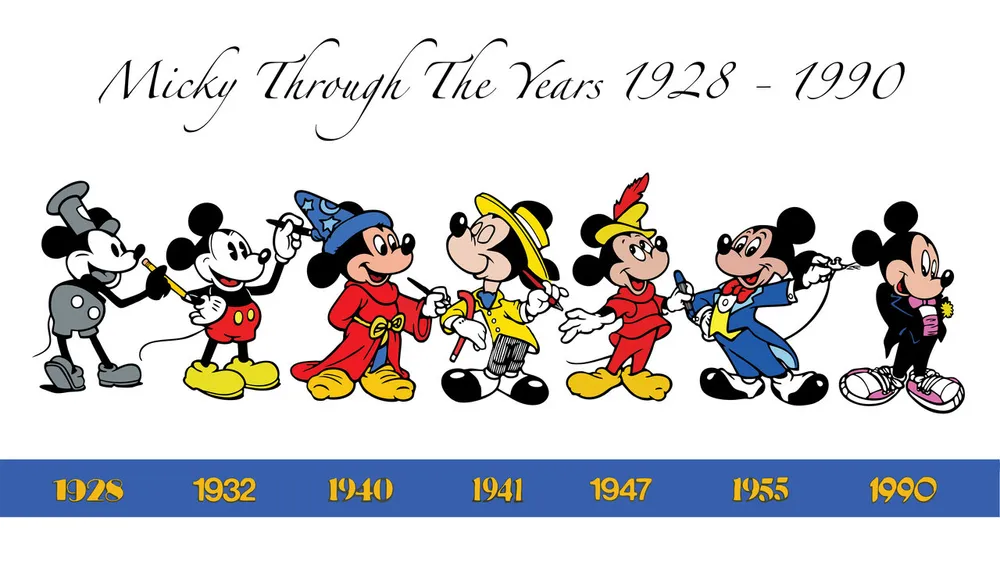
Copyright expiration is limited to 'the original Mickey Mouse, which first appeared in 1928.' Designs like Mickey Mouse whose color and appearance (eye shape, ear size, clothing, etc.) have changed over time and again, certain video clips, and stories created after that point may still be protected.
- Original design: The 1928 version of Mickey Mouse was a black-and-white animated character with a slightly angular face and an elongated snout compared to the Mickey Mouse we know today.
- Current Design: Since the 1930s, with steady design improvements and the introduction of the color era, it has evolved into the familiar look we see today, featuring bright colors, round eye shapes, and red pants.
As such, whether a character is protected by copyright can vary depending on the version created at that time.
Issues in Trademark Rights and Character Protection
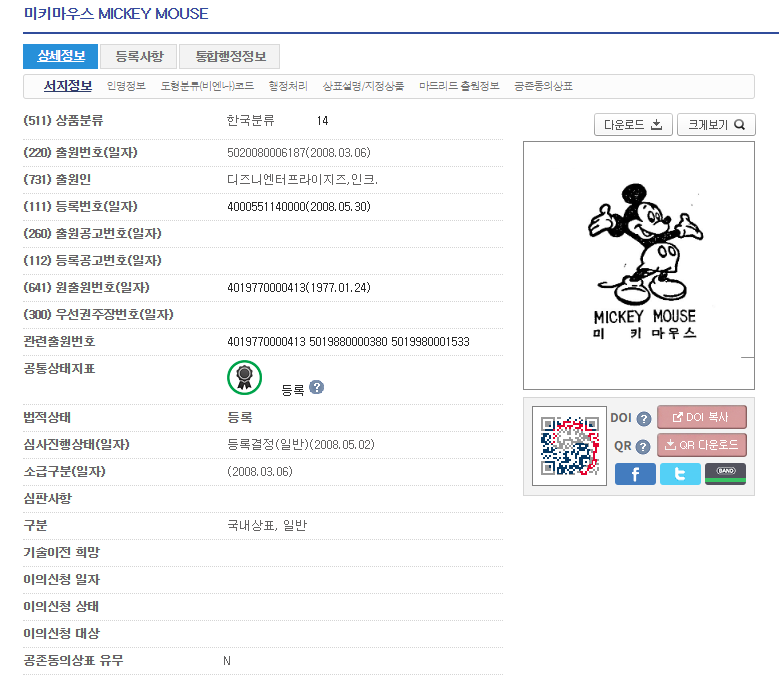
One thing to be careful about is Just because the copyright expires doesn't mean anyone can use that character without limit,That's the truth. In particular, Disney holds trademarks for its flagship characters, which exclusively protect the names, logos, symbols, and characters used in products or services.
- Trademark Maintenance Period: Generally, trademark rights can be continuously renewed, so theoretically, permanent protection is possible. Disney protects brand value by registering the name 'Mickey Mouse' and certain design elements as trademarks.
- Practical Impact: Even if you create a creative work using the original Mickey Mouse whose copyright has expired, there is a risk of conflict with Disney's trademark rights. For example, expressions or commercializations that could confuse consumers with Disney's latest Mickey Mouse could lead to legal issues.
The ripple effects of copyright expiration on the cultural and industrial sectors
- Expanding creative diversity through inclusion in the public domain
Once the original Mickey Mouse (1928 version) becomes freely available, it opens the door for various entities—from individual artists to small production companies—to create new content. This could inject creative diversity into the cultural and artistic community and promote the production of secondary works such as fan art and parody. - Disney's IP Protection Strategy Revisited
During this time, Disney has invested significant resources in extending copyright protection periods. However, now that it has been confirmed that the 1928 version of Mickey Mouse will inevitably be incorporated into the public domain, it is expected that an integrated protection strategy through other intellectual property rights such as trademarks, patents, and design rights will be strengthened going forward. - Increased likelihood of legal disputes
Copyright and trademark rights differ in their scope of protection and application standards. Even if you create a work based on expired copyright, if it is recognized as trademark infringement, you may become involved in disputes. Especially since IP protection systems differ by country, international dispute cases are expected to increase.
Future Outlook and Precautions
- Promoting secondary creations: Attempts to create unique artworks, advertisements, and fan service content using the '1928 edition' Mickey Mouse are expected to become more active.
- Disney's Strategic Response: Disney can maintain its brand image through trademark protection while also creating new business models linked to the public domain.
- The Need for Legal Action and Consulting: Companies or individuals seeking to enter this field are very sensitive to the boundaries between copyright and trademark, so prior consultation with a professional patent attorney is important.
Conclusion
The copyright expiration of the original Mickey Mouse in 1928 marked a landmark event marking the full entry of Disney's iconic character into the public domain. However, please note that copyright expiration does not guarantee full freedom of use. Since other intellectual property rights, including trademarks, still play a strong role, creators and companies must undergo thorough legal review in advance.
This is not just a problem limited to the entertainment industry; it will set an important precedent that will also influence future copyright expiration cases for other classic characters and masterpieces. Ultimately, I hope this trend will encourage more creative work and provide fresh stimulation to the broader cultural and arts landscape.
References: This column is written to provide general legal information and should not be interpreted as legal advice for specific cases. Since there may be differences depending on individual circumstances, please be sure to consult with a patent attorney if necessary.