
IP Disputes in Korea: Using the Korea Trade Commission’s Unfair Trade Practices Investigation
As overseas manufacturing and distribution networks become increasingly borderless, damage can spread quickly once copycat products that infringe patents, trademarks, or designs, or goods with false country-of-origin markings, enter the Korean market. In many of these cases, ordinary civil litigation alone may be too slow or too limited to provide effective relief.
One powerful administrative remedy that companies should consider is the Unfair Trade Practices Investigation system administered by the Korea Trade Commission under the Ministry of Trade, Industry and Energy. Unlike a purely domestic distribution dispute, this system targets import and export activity itself. When the structure of the system is understood and used correctly, a right holder may obtain decisive measures that block customs clearance or market entry within a relatively short time, while a respondent such as an importer or distributor can manage early-stage risk more effectively.
1. What Is an Unfair Trade Practice?
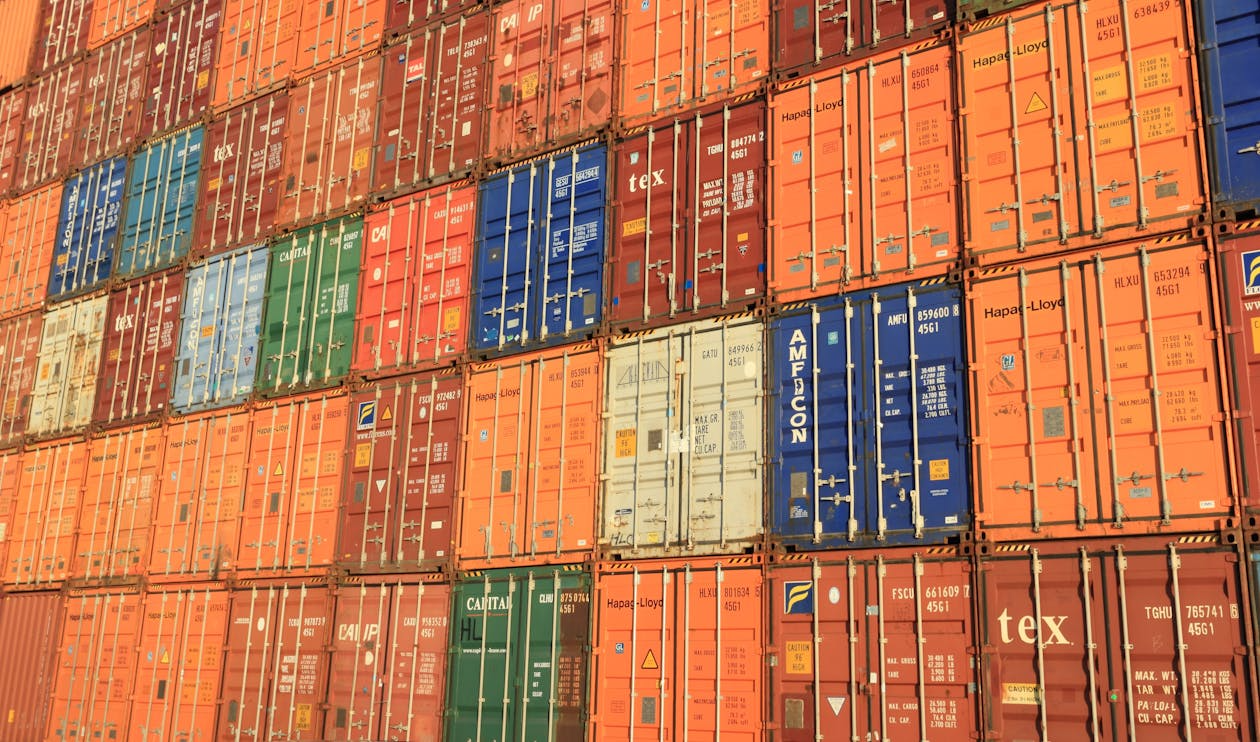
The system investigates and sanctions unfair conduct occurring in international trade in order to protect fair trade order. In practice, the most common categories include the following.
- Infringement of intellectual property rights and trade secrets: Import, export, manufacture, or sale of goods that infringe patents, utility models, designs, trademarks, copyrights, or trade secrets.
- Country-of-origin violations: False, damaged, or missing country-of-origin indications on imported or exported goods.
- False or exaggerated indications: Import or export of goods bearing false or misleading indications regarding quality, manufacturing method, use, and similar matters.
- Disruption of import/export order: Conduct that undermines international trust in the performance of trade contracts.
Insight: The essence of this system is that it is connected to cross-border trade, not merely domestic distribution. Success therefore depends not only on IP infringement analysis but also on proving the relevant trade flow.
2. Why Companies Should Pay Attention to This System
The most attractive feature of the Korea Trade Commission procedure is that it can physically block market entry before damages are later assessed. It operates in two major stages.
1. Provisional measures: blocking goods during the investigation If the applicant is likely to suffer irreparable injury while the investigation is pending, the Korea Trade Commission may order immediate provisional measures. These may include suspension of importation or sale of the goods, or prohibition of landing at customs. A security deposit may be required.
2. Corrective measures and administrative surcharges after the merits decision If an unfair trade practice is finally recognized, strong sanctions may follow.
- Complete suspension of import, export, sale, or manufacture, prohibition of landing, or an order to destroy the goods.
- Public announcement of the violation and corrective advertising.
- Significant administrative surcharges: For IP infringement or false indications, up to 30% of the transaction amount, or up to KRW 500 million when calculation is difficult; for country-of-origin violations, up to KRW 300 million.
3. Timeline: Investigation Within 20 Days, Decision Within 6 Months
Timing is critical. An application must be filed within two years from the date on which the unfair trade practice occurred.
- Decision to commence investigation: Within 20 days after the application is received.
- Investigation and decision: Within 6 months after commencement, including document review and on-site investigation. Extensions of two months each may be available twice if needed.
- Objection: Within 30 days after notice of disposition, or within 14 days for provisional measures.
This is much faster than ordinary civil litigation, which often takes more than a year. However, if related proceedings such as a patent invalidation trial are pending, the investigation period may be extended. A coordinated forum strategy among the Trade Commission, the Intellectual Property Trial and Appeal Board, and the courts is therefore essential.
4. Practical Strategy
For right holders: combine IP analysis with trade-flow evidence
It is not enough to allege infringement. The applicant should build one coherent story around the following three elements.
- Clarity of rights: Prove the existence and validity of the patent, trademark, or other right.
- Specificity of infringement: Identify the target goods and develop a concrete infringement theory.
- Proof of import or export: Connect the infringement theory to trade data, such as transaction documents, customs materials, sample purchases, and HS codes. If provisional measures are sought, the applicant should also actively show irreparable injury based on timing, such as seasonal sales or a major supply contract.
For respondents: a 48-hour initial response plan
The Korea Trade Commission has authority to conduct on-site inspections of business premises and warehouses through officials and to request materials. Obstruction or refusal may lead to administrative penalties. Once notice of investigation is received, the respondent should immediately take the following steps.
- Freeze and reconcile import, sales, and inventory records.
- Review indemnity provisions with overseas partners or manufacturers and secure defense materials.
- Develop non-infringement or non-similarity arguments and assess the feasibility of rapid design-around options.
- Protect trade secrets through careful redaction and clear confidential markings on submitted materials.
Closing
The Korea Trade Commission’s Unfair Trade Practices Investigation system does not work simply because a company says, “my rights were infringed.” It becomes powerful when trade data, product identification, precise IP legal analysis, and urgency are integrated into a coherent strategy.
For respondents, survival often depends on systematic documentation from the earliest stage, with administrative investigation and possible follow-on administrative litigation both in mind.
Based on deep experience with patents, trademarks, designs, and other IP rights, Pine IP Firm provides integrated support from filing a Trade Commission complaint and seeking provisional measures to defending the merits and handling follow-on litigation, with the goal of import blocking, market cleanup, and final settlement.