
Selection of Korean Patent Counsel for Semiconductor Work
Korean patent counsel for a semiconductor matter should be selected by the technical subject of the invention and the attorneys who will perform the work. General experience in electrical engineering does not establish experience with semiconductor devices, fabrication, materials, equipment, circuits or packaging.
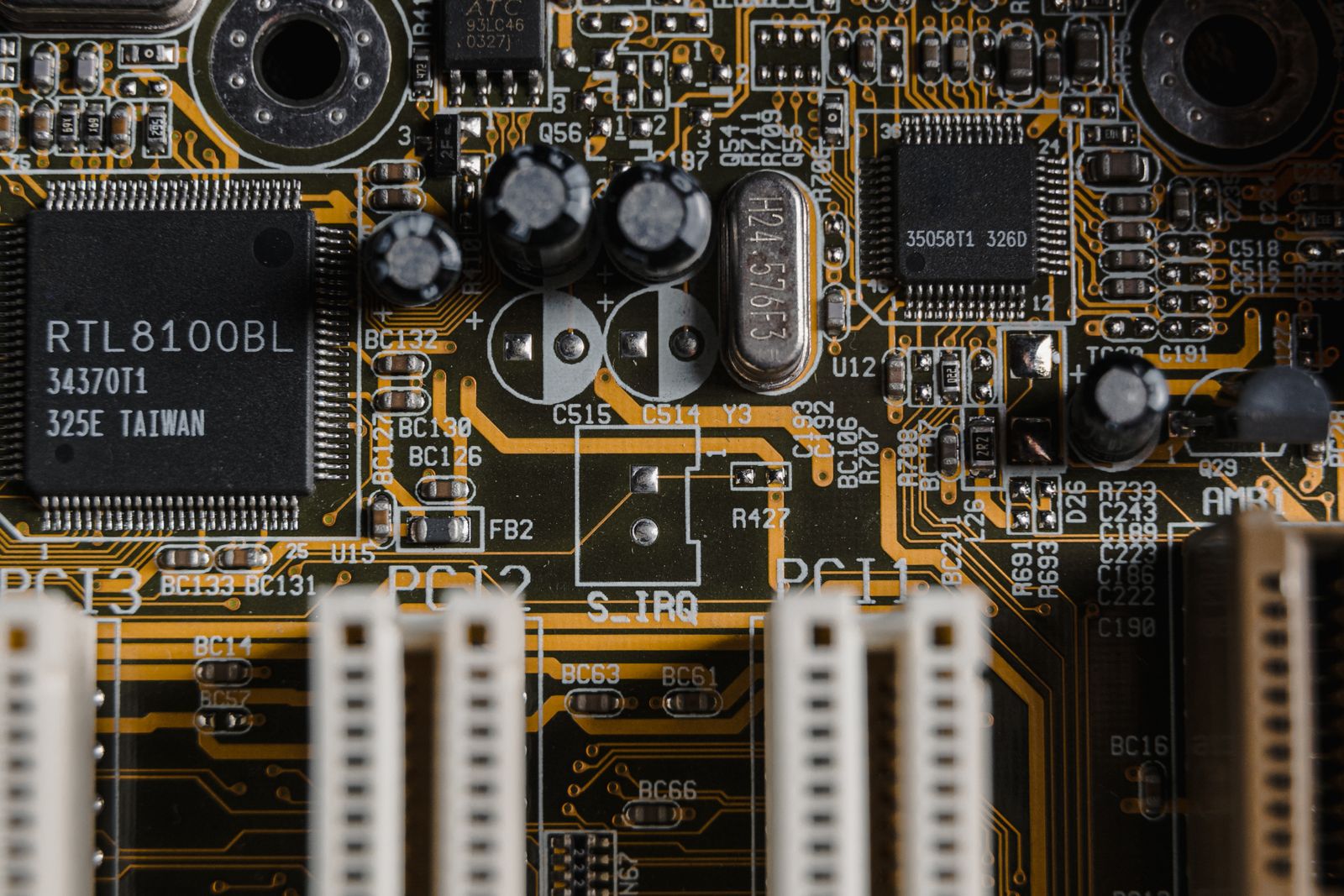
Relevant semiconductor field
The applicant should identify the field before asking a firm for representative experience. Relevant fields include:
- memory, logic, power, sensor and photonic devices;
- transistor, cell, array and circuit structures;
- deposition, etching, cleaning, annealing, CMP, lithography and bonding processes;
- process chambers, metrology, inspection and control equipment;
- wafers, gases, chemicals, slurries, films and packaging materials;
- advanced packaging, high-bandwidth memory, chiplets, interposers and heterogeneous integration;
- controllers, firmware, testing, thermal management and system architecture; and
- AI accelerators and interfaces between memory and computing components.
The responsible attorney should be able to explain the invention in the terminology used by the inventors and identify the features that can be observed or proved if the patent is later enforced.
Claim scope for devices, processes and systems
A semiconductor disclosure may support claims to a device, manufacturing method, apparatus, material, package, module, controller, inspection method or system. The appropriate claim categories depend on the disclosed invention, the relevant commercial actors and the available infringement evidence.
A process claim may state the inventive contribution accurately but be difficult to prove from a finished product. Claims directed to a device structure, equipment operation or control function may provide additional coverage when supported by the specification.
Proposed claims should be reviewed for technical accuracy, disclosure support, differentiation between claim categories, performance by multiple actors and availability of proof. Adding claim categories without a distinct commercial purpose does not improve the application.
Korean translation and terminology
Semiconductor applications frequently use precise spatial relationships, process sequences, parameter ranges and abbreviations. Distinctions among terms such as "on," "over," "directly on," "coupled," "connected" and "formed by" can affect claim scope.
The Korean translation should use consistent terminology across related applications. A Korean patent attorney with the relevant technical background should review the claims and material passages. For process applications, the review should cover units, ranges, gas compositions, layer names and sequence dependencies. For circuit applications, it should cover nodes, signals, timing and functional relationships.
Korean Office Action analysis
A representative Office Action analysis should compare each cited reference with the relevant claim limitations, state the examiner's combination reasoning and identify the technical distinction relied on by the applicant. Each proposed amendment should include its support and effect on scope.
A corresponding foreign allowance may support use of the Patent Prosecution Highway, but the Korean response should be assessed under Korean examination standards and the Korean specification. Adoption of a foreign amendment without this review may surrender scope that remains available in Korea.
Freedom to operate and disputes
Semiconductor products commonly involve manufacturers, equipment suppliers, material suppliers, design companies, foundries and customers in several jurisdictions. Counsel should distinguish prosecution work from freedom-to-operate and infringement analysis while understanding how the same Korean patents affect those participants.
For freedom-to-operate or dispute work, the team should be able to search Korean claims and prosecution records, analyse patent families and legal status, prepare claim charts and work with teardown, circuit, software or process evidence as required by the product.
Personnel and work allocation
The applicant should identify the attorney responsible for drafting or reviewing the Korean claims, the technical reviewer, the translator and the person who will report Office Actions. Representative matters should be relevant to the disclosed technology rather than to semiconductors generally.
The engagement should also state how terminology is maintained across a family, how urgent instructions are handled, who covers the matter during an absence and whether FTO or dispute work will be performed by the same team or by separate counsel.
Official references
Related Korean patent guidance
- Semiconductor Patents in Korea for Global Chip Companies
- Selection of a Korean Patent Firm for Foreign Applicants
- Selection of a Patent Attorney in South Korea
- Responses to Korean Patent Office Actions
Legal and editorial review: July 16, 2026. Korea's patent authority is the Ministry of Intellectual Property (MOIP), formerly KIPO.
This article provides general information and is not legal advice. The appropriate counsel and claim approach depend on the technology, disclosure and commercial use of the patent.